
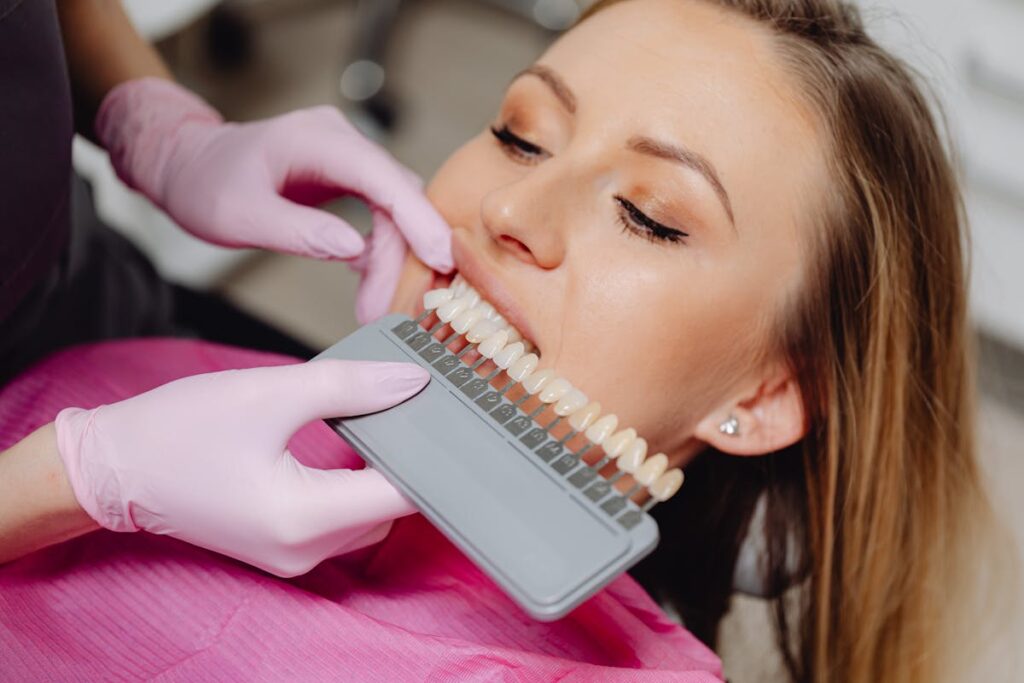
When deciding between veneers and bonding, think about what fits your goals and lifestyle best. Veneers mean long-lasting and stain-resistant results with a natural look, but they require more preparation and cost more.
Bonding is cheaper and quicker, ideal for small cosmetic fixes but might not last as long. Consider these aspects along with professional advice to find the best option for that perfect smile.
Veneers offer a durable, natural-looking solution. They resist stains better but need more preparation and cost more upfront.
Bonding is a budget-friendly choice for minor changes, offering quick results but with less durability. Weigh these factors and consult a dentist for personalized advice.
Understanding Veneers: What Are They?
What Are Veneers?
Veneers are thin, custom-made covers for the front of your teeth. They can be made from porcelain or composite resin to improve the look of your smile. Porcelain veneers look very natural and reflect light like real teeth, while composite resin veneers require less tooth removal but may not last as long. Choosing the right material affects how long they last and how they look, so it’s important to consider your specific needs. Veneers can fix issues like discolored, misaligned, or chipped teeth, and they blend in seamlessly with your other teeth for a better smile.
Exploring Bonding: How Does It Work?
Dental bonding is a simple and affordable way to improve your smile. It uses a tooth-colored resin to fix small chips, stains, or gaps in your teeth. The process starts by lightly roughening the tooth surface so the resin sticks better. Then, a liquid is applied to help with this adhesion. The dentist shapes the resin onto your tooth for a perfect fit and hardens it with a special light. This quick, non-invasive procedure can be done in one visit, giving you an instant boost in appearance while keeping your natural teeth healthy.
Comparing Durability: Veneers vs. Bonding
Veneers vs. Bonding: What’s More Durable?
Veneers are more durable than bonding. Made from strong materials like porcelain, veneers can last over ten years with good care. They’re great for long-term solutions. Bonding, on the other hand, is perfect for small cosmetic fixes but tends to wear down faster. You’ll likely need to maintain or replace bonding more often.
In short, if you’re looking for longevity and less upkeep, veneers are the way to go. For quick, minor touch-ups, bonding is a suitable choice, but be prepared for more frequent check-ups.
Longevity of Veneers
How Long Do Veneers Last?
Veneers, especially porcelain ones, are known for lasting a long time—typically 10 to 15 years, and sometimes even more with good care. Their durability comes from being stain-resistant and strong. Unlike many dental treatments, veneers are applied with precision, needing only a little tooth reshaping. This precise fit helps them endure daily use. Plus, their natural look and strength make veneers a smart, long-term choice for those wanting a lasting solution. Regular dental visits and proper upkeep can extend their life, ensuring they remain effective over the years.
Bonding Wear and Tear
When comparing dental bonding to veneers, it’s important to understand their differences in durability and care.
Bonding Discoloration: Dental bonding can stain more easily than veneers, so regular professional cleanings are often necessary to maintain its appearance.
Chipping and Cracking: Bonding material is more prone to damage like chipping and cracking compared to the sturdier porcelain veneers.
Lifespan: Bonding usually lasts between 3-10 years, meaning it might need replacing more frequently than veneers.
Cost: Although bonding is cheaper upfront, the cost can add up with regular replacements.
Maintenance: Keeping bonding looking good requires good oral hygiene and regular dental check-ups.
Aesthetic Considerations: Which Option Looks Better?
Veneers vs. Bonding: Which Looks Better?
For a stunning smile, veneers often win out. Made from porcelain, they look very much like real teeth, with a natural shine that lasts. They don’t stain easily, so your smile stays bright. Veneers are great for those seeking a long-lasting, beautiful look.
Bonding, on the other hand, is ideal for quick fixes. It’s perfect for small issues and is more budget-friendly. However, bonding can discolor and wear over time.
Choosing between veneers and bonding depends on your goals and lifestyle. If you want a lasting, vibrant smile, veneers might be the way to go. For immediate, cost-effective improvements, bonding could be your best bet.
Cost Analysis: Weighing the Financial Implications
To decide between veneers and bonding, it’s essential to compare costs and benefits.
- Initial Cost: Veneers generally cost more upfront than bonding.
- Durability and Longevity: While pricier, veneers usually last longer than bonding.
- Insurance Coverage: Bonding might be partially covered by insurance, but veneers often aren’t.
- Maintenance and Repair: Consider future expenses for potential repairs or replacements.
- Payment Plans: Many dentists offer financing to help make payments manageable.
Time Commitment: Procedure and Aftercare
Choosing between veneers and bonding involves considering the time commitment. Veneers usually take several visits over a few weeks, including consultation, tooth preparation, and placement. On the other hand, bonding is often done in just one appointment, making it quicker.
Recovery for veneers might cause slight discomfort as your mouth adjusts, but you can usually get back to normal activities soon. Bonding has minimal recovery time, letting most people return to their routines right away.
To get the best results, follow the aftercare instructions for both procedures. Understanding the time involved helps you make an informed choice.
Longevity and Maintenance: Keeping Your Smile Bright
Veneers vs. Bonding: What’s the Difference in Longevity?
Veneers usually last between 10 to 15 years, making them a durable choice for a long-lasting smile. Bonding, on the other hand, might need more frequent touch-ups since it can chip more easily. To keep your smile bright, whether you choose veneers or bonding, focus on regular dental check-ups and good oral hygiene. This means brushing, flossing, and visiting your dentist regularly to maintain that bright, confident smile.
Comparing Durability Options
Durability of Veneers vs. Bonding
When choosing between veneers and bonding for dental enhancements, durability is crucial. Veneers, usually made from porcelain, are thicker and stronger, leading to a longer lifespan of about 15 years with good care. Bonding, using resin composite, might need touch-ups or replacement within 5-10 years.
- Veneers’ Strength: They form a strong, protective layer, reducing damage risks.
- Stain Resistance: Veneers stay whiter longer compared to resin.
- Easy Repairs: Bonding can be fixed simply and quickly.
- Cost: Bonding costs less initially but might need more frequent updates.
Decide based on whether you prefer lower initial costs or longer-term durability.
Simple Care Techniques
Taking care of veneers or bonding is key to keeping a bright smile. This means brushing with a gentle fluoride toothpaste and flossing every day to stop plaque from building up. Avoid using your teeth to open packages to prevent damage. Eating wisely also helps; cutting back on coffee, tea, and red wine keeps your smile looking its best. Regular dentist visits are important for spotting any problems early. Professional cleanings remove tartar and check the condition of your veneers or bonding. By following these steps, you can enjoy your enhanced smile for a long time.
Suitability for Cosmetic Concerns: Choosing the Right Fit
When deciding between veneers and bonding for cosmetic dental work, consider your specific needs and goals. Veneers are a great option for those seeking lasting and dramatic changes, especially if you have significant tooth discoloration or misalignment. Bonding is less invasive and works well for minor fixes like small chips or gaps.
Here’s a quick guide:
- Extent of Issues: If you have noticeable imperfections, veneers might be your best bet.
- Longevity: Veneers typically last longer than bonding.
- Cost: Bonding is generally more affordable.
- Time: Bonding can often be done in just one visit.
- Appearance: Veneers provide a sleek, polished look.
Each choice has its perks based on what you want to achieve aesthetically.
Consulting With Your Dentist: Making the Final Decision
When deciding between veneers and bonding, consult your dentist for expert advice. They’ll assess your dental health, aesthetic goals, and budget to recommend the best option. By examining your teeth and gums, your dentist determines if veneers or bonding suits you better. This ensures you achieve the look you want while maintaining oral health. Trusting your dentist’s insight helps you make a confident, informed choice.
Frequently Asked Questions
Can Veneers or Bonding Address Teeth Sensitivity Issues?
Veneers and bonding can help with teeth sensitivity by covering exposed areas of your teeth. However, if not applied correctly, they might harm your enamel. It’s important to talk to a dentist to ensure it’s done right and tailored to your needs. This way, you can address sensitivity issues effectively while keeping your teeth healthy.
Are There Any Dietary Restrictions With Veneers or Bonding?
Veneers and bonding don’t have major dietary restrictions, but being cautious helps. Veneers resist stains better than bonding, which means they stay looking nice longer. However, both can be damaged by hard foods. It’s best to avoid biting into hard substances like nuts or ice to keep them intact.
To maintain the appearance of your veneers and bonding, try to limit drinks like coffee and wine, as they can stain over time. By being mindful of what you eat and drink, you can enjoy a brighter smile for longer.
How Do Veneers and Bonding Impact Oral Hygiene Routines?
Choosing veneers or bonding means you need to be extra careful with your oral hygiene. Gentle brushing is key and using a non-abrasive toothpaste is a must. This approach prevents damage and helps ensure these dental enhancements last longer and work effectively.
Keep your brushing routine gentle and adapt it to care for your veneers or bonding. Non-abrasive toothpaste helps protect the surface, which results in better longevity. By focusing on these simple steps, you can maintain your new smile with confidence.
Can Veneers or Bonding Be Removed or Reversed?
Veneers and bonding can be tricky to remove. Veneers are usually permanent because they require removing some enamel from your teeth. On the other hand, bonding might be removed or reversed, but it could come with complications. Whether veneers or bonding suits you depends on your dental health, what you’re aiming for, and how comfortable you are with permanent changes. It’s crucial to talk with a dental professional to find the best option for you.
Are There Any Potential Allergies Related to Materials Used in Veneers or Bonding?
Allergies to veneers or bonding materials are rare but possible. Dentists prioritize using safe, biocompatible materials to prevent reactions. If you have known sensitivities, it’s important to talk to your dentist about your concerns before any procedure.
Safety in dental work means choosing materials that work well with your body. Most people won’t have issues, but discussing your allergies can help avoid any problems. Always be open with your dentist about any past allergic reactions to ensure the best care.