
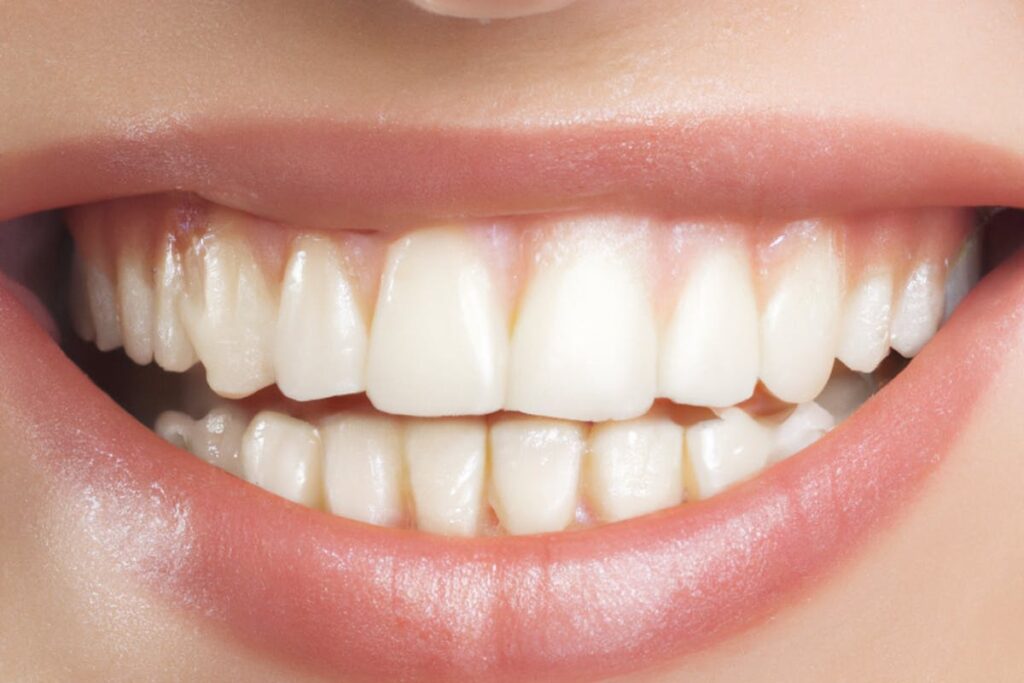
The cost of a smile makeover depends on the treatments you choose. Options range from teeth whitening to dental implants, each with its own price.
Factors like material, complexity, and dentist expertise affect the total cost. Balancing your dental goals with your budget is key. To find the best path, consider what you want to achieve with your smile and discuss it with your dentist. They can help you explore options that fit both your needs and finances.
Understanding Smile Makeover Procedures
A smile makeover means enhancing your smile’s look and health through various dental procedures. These improvements can boost both your smile’s beauty and your mouth’s function. Key parts of a smile makeover include reducing teeth sensitivity and improving gum health. Reducing sensitivity might involve treatments like bonding or using special agents to strengthen enamel and make you more comfortable. At the same time, improving gum health is vital and is done through deep cleaning methods that remove plaque and tartar. Each treatment is personalized, ensuring you get the best results for a bright, confident smile.
Factors Affecting the Cost
The cost of a smile makeover depends largely on the complexity of the treatment and the materials used. More complex procedures typically take more time and expertise, which results in higher costs. Additionally, choosing between materials like porcelain or composite can significantly affect the price. It’s important for patients to consider their options carefully to balance cost and quality.
Treatment Complexity
The cost of a smile makeover largely depends on how complex the treatments are. Simpler procedures like teeth whitening are usually less expensive. However, if your makeover involves more detailed work, like braces or other orthodontic adjustments, it will likely cost more. Complex procedures require more expertise and resources, which can increase the price. The duration of the treatment also matters. Longer procedures mean more visits to the dentist, adding to the overall cost. Each person’s dental needs are different, so a thorough dental check-up is essential for an accurate cost estimate. Understanding how treatment complexity affects both cost and timeline is crucial for anyone thinking about a smile makeover.
Material Choices
When deciding on materials for a smile makeover, your choices greatly affect both the cost and the outcome.
For budget-friendly options, composite materials are a go-to. They’re often used for small fixes like fillings. While they look decent, they aren’t as strong and may need replacing more often.
If you’re looking for something more durable and realistic, porcelain materials are the way to go. Porcelain veneers and crowns cost more upfront but last longer and look more natural.
Consider the initial expense versus long-term benefits. Your choice impacts both your wallet and the look and lifespan of your smile.
Teeth Whitening: A Popular Option
A bright smile often depends on the whiteness of your teeth, making teeth whitening a popular choice for enhancing your smile. Professional options like in-office bleaching and take-home kits from dentists can significantly whiten your teeth in just one session. These treatments use strong bleaching agents to ensure effective results while keeping risks low. However, you might experience some teeth sensitivity, which can be eased with dentist-recommended products. Although professional treatments may cost more upfront than store-bought options, they offer longer-lasting and more reliable whitening, making them a smart investment for a confident, dazzling smile.
The Role of Veneers in Smile Makeovers
Veneers are a great way to enhance your smile by fixing dental issues like chipped, discolored, or crooked teeth. These thin porcelain layers make your teeth look perfect while also being practical.
- How Long Veneers Last: Veneers, made from strong materials, can last 10-15 years if you take good care of them.
- Natural Look: They can be customized in shape and color to blend perfectly with your natural teeth.
- Easy to Care For: Just follow regular dental cleaning routines to keep your veneers looking great.
- Simple Procedure: Getting veneers is not very invasive, so your natural teeth stay mostly intact.
Veneers are a smart choice for anyone wanting a lasting smile makeover.
Exploring the Cost of Braces and Aligners
How Much Do Braces and Aligners Cost?
Braces usually cost between $3,000 and $7,000. Clear aligners, like Invisalign, range from $3,000 to $8,000. The price varies based on how complex the treatment is and how long it lasts.
Ways to Save on Braces and Aligners
Insurance coverage and financing plans can help manage costs. Many people find these options reduce the immediate financial stress, making it easier to afford the treatment. Always check with your insurance provider or orthodontist about payment plans to find a solution that works for you.
Traditional Braces Pricing
When thinking about getting braces, understanding the cost is crucial. Traditional metal braces, popular for their effectiveness, usually cost between $3,000 and $7,000. This price can vary based on location, how long you need them, and how complex your dental needs are.
Key cost factors to consider:
- Initial Consultation Fees: This is where your orthodontist will determine if you need braces and plan your treatment.
- Monthly Adjustment Visits: Regular appointments to adjust braces are necessary and add to the total cost.
- Materials and Labor: The type of metal used and the orthodontist’s expertise can affect the price.
- Insurance Coverage: Check if your dental insurance covers part of the cost, which can help reduce what you pay out of pocket.
Clear Aligners Costs
Clear Aligners Cost Overview:
Clear aligners offer a discreet way to straighten teeth without the metal brackets of traditional braces. Prices typically range from $3,000 to $8,000, depending on your specific needs and the provider you choose. The cost is influenced by how complex your dental situation is and the duration of treatment, which usually lasts between 6 to 18 months. Advances in technology ensure precise corrections, making clear aligners an effective choice. Though they may initially be more costly than some traditional options, their convenience and subtle appearance make them appealing for many looking to enhance their smile.
Insurance and Financing
Managing the costs of orthodontic treatments like braces and aligners can be challenging, but exploring insurance and financing options can make it easier.
- Insurance Coverage: Check with your insurance provider to see what part of your orthodontic treatment is covered. Many plans help reduce your out-of-pocket expenses.
- Payment Plans: Ask your dental office about payment plans. They often let you pay over time instead of all at once, making treatments more affordable.
- Budgeting Strategies: Create a budget to set aside money for your orthodontic care. This ensures you can manage these costs without financial strain.
- Health Savings Accounts (HSAs): Use an HSA or Flexible Spending Account (FSA) for tax benefits, which can lower your overall treatment expenses.
These strategies make orthodontic care more accessible and budget-friendly.
Dental Implants and Their Price Considerations
Dental implants are a smart choice for improving your smile and oral health. These implants are built to last a lifetime if you take good care of them. This means regular visits to your dentist and keeping up with daily brushing and flossing.
The price of dental implants can vary based on the materials used, the difficulty of the procedure, and where you live. While the upfront cost might seem high, the benefits of implants, like their strength and natural look, often make the expense worth it. Investing in dental implants can greatly improve your dental health and quality of life.
The Impact of Dental Expertise on Pricing
When it comes to dental procedure costs, a dentist’s expertise plays a big role. Here’s why expert dentists often charge more:
- Advanced Training: Dentists with extra training offer better care and results, which means higher fees.
- Experience Level: Experienced dentists with proven success make patients feel more confident, leading to higher costs.
- Innovative Techniques: Using the latest technology and methods can increase prices.
- Positive Reviews: Good reviews and past successes boost a dentist’s reputation, impacting their fees.
Expertise ensures quality care and justifies higher pricing.
Geographic Location and Its Influence on Costs
The cost of a smile makeover depends not only on the dentist’s skill but also on where you live. Cities often have higher prices compared to rural areas. This is because city living costs more, and there’s a bigger demand for cosmetic dental work. Plus, city dentists face more competition and higher expenses, which raises their fees. In contrast, rural areas usually offer lower prices due to less competition and cheaper operating costs. When planning your budget for a smile makeover, it’s smart to consider these location-based differences to make a well-informed decision.
Financing Options for Your Smile Makeover
Considering a smile makeover? It’s essential to understand your financing options to manage costs effectively. Here’s what you need to know:
- Payment Plans: Many dental offices offer flexible payment plans. These allow you to spread out payments over several months, reducing the immediate cost impact.
- Dental Loans: Some companies specialize in loans for dental work. These often come with competitive interest rates and flexible repayment terms.
- Health Savings Accounts (HSAs): If you have an HSA, you can use these funds to pay for part of your dental expenses, with the added benefit of tax advantages.
- Credit Cards: Some credit cards offer special financing options, like 0% interest for a limited time, which can be a good short-term solution for dental costs.
Frequently Asked Questions
How Long Does a Smile Makeover Typically Take?
A smile makeover can take anywhere from a few weeks to several months. The time required depends on the complexity of the dental procedures, your current oral health, and the results you want to achieve. For an accurate timeline, a personalized consultation with a dental professional is essential.
Factors like teeth whitening, veneers, braces, or implants can all influence how long the process will take. Whether you’re looking to brighten your smile or fix alignment issues, each step is tailored to meet your specific needs and goals. Always consult with your dentist to get a clear plan and timeframe that works for you.
Are Smile Makeovers Covered by Dental Insurance?
Are Smile Makeovers Covered by Dental Insurance?
Smile makeovers are often not covered by dental insurance. To find out if your plan includes these procedures, check your coverage details. Dental insurance usually doesn’t pay for cosmetic treatments unless a dentist says they’re medically necessary.
If you’re considering a smile makeover, start by reviewing your insurance policy. Look for terms like “cosmetic procedures” and “medical necessity.” This will help you understand what is covered. If you’re unsure, contact your insurance provider for clarification. They can explain what your plan includes and any out-of-pocket costs you might face.
Can a Smile Makeover Improve Overall Oral Health?
A smile makeover can improve your oral health by making it easier to chew and reducing teeth sensitivity. This process not only makes your smile look better but also helps maintain good oral hygiene. By aligning and fixing your teeth, a smile makeover can prevent dental problems and support overall dental health.
For example, fixing crooked teeth or filling gaps can make it easier to clean your teeth properly, which means fewer cavities and gum issues. Plus, when your teeth are properly aligned, it can reduce wear and tear, leading to less sensitivity and discomfort.
What Is the Recovery Time After a Smile Makeover Procedure?
Recovery time after a smile makeover is usually quick and easy. Most patients face minimal swelling and heal swiftly. You’ll likely feel only slight discomfort and can get back to your normal activities in just a few days. This means you can enjoy your new, improved smile with little downtime.
Are There Non-Invasive Options for a Smile Makeover?
For a smile makeover, non-invasive options like customized whitening treatments and subtle teeth reshaping can be effective. These methods enhance your smile with minimal discomfort and downtime. They are tailored to meet individual needs, ensuring you achieve the ideal aesthetic results.