
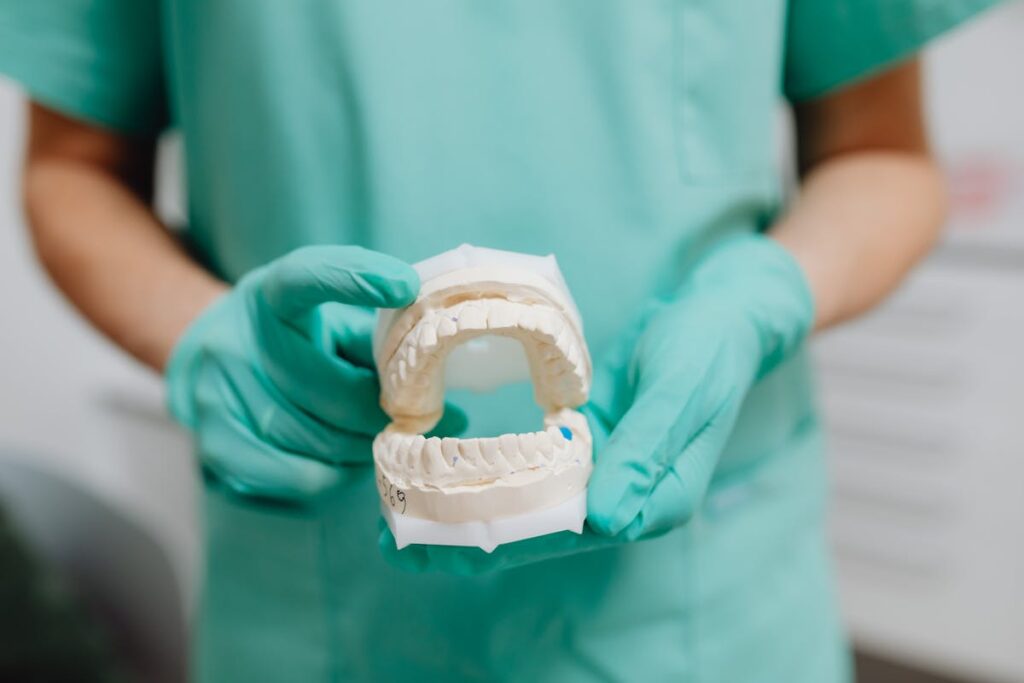
Partial dentures are a great option for replacing missing back teeth. They help you chew better, which means you can digest food more easily.
These dentures also improve how you speak by keeping your words clear. Plus, they stop nearby teeth from moving out of place, which keeps your jawbone healthy. Since they are non-invasive, they also help maintain the shape of your face and support your muscles.
Understanding these benefits can help you make informed decisions about your oral health.
Improved Chewing Efficiency
Partial dentures make chewing easier. When you lose back teeth, it can be tough to chew food properly. Partial dentures fill these gaps, helping you bite and chew more effectively. This means you can enjoy your meals and digest food better, which is important for good health. Studies show that people with partial dentures chew more efficiently, as these dentures mimic the natural way your teeth should meet. With better chewing, your quality of life improves, highlighting why partial dentures are a key part of dental care.
Enhanced Speech Clarity
Partial dentures for back teeth help improve speech clarity. They make it easier to pronounce sounds and reduce speech problems. Well-fitted dentures support smooth speech, which results in better verbal communication. By restoring the alignment and function of your teeth, partial dentures help you articulate sounds more effectively.
Improved Sound Pronunciation
Restoring back teeth with partial dentures plays a key role in making speech clearer. Here’s how:
- Clear Vowel Sounds: Partial dentures help the tongue position itself correctly, making it easier to pronounce vowel sounds precisely.
- Accurate Speech: Full sets of teeth ensure that both consonants and vowels are formed accurately, resulting in clearer speech.
- Better Listening: When sounds are produced clearly, it’s easier for both the speaker and the listener to understand each other.
Reduced Speech Impediments
Partial dentures can significantly improve speech clarity. By filling in the gaps left by missing back teeth, these dental aids help you pronounce words more clearly. Back teeth are crucial for making certain sounds, especially those where the tongue needs to touch the roof of the mouth. People using partial dentures can often pronounce consonants better, reducing the speech distortions common in those without teeth. These dentures also stabilize your mouth, preventing the tongue from moving in a way that causes mumbling. This not only helps you chew better but also makes talking easier, boosting your overall quality of life.
Natural Speech Flow
Improving speech clarity isn’t just about how we pronounce words; it’s also about keeping our conversations flowing naturally. Partial dentures for back teeth are key to maintaining smooth and natural speech. These dental aids solve spacing and bite issues that can mess up how we talk. Here are the benefits:
- Clear Speech: Properly aligned teeth help you speak clearly and correctly.
- Less Vocal Strain: Dentures spread out oral pressure, which means less tension on your vocal cords.
- Boosted Confidence: With better speech, you feel more confident in social settings, making conversations easier.
These improvements mean that dentures can be a big help for anyone looking to enhance their speaking experience.
Prevention of Tooth Shifting
Partial dentures help keep your teeth in place by filling in the gaps left by missing molars. When there’s an empty space, nearby teeth might start to move and cause problems like a crooked bite or jaw pain. Using partial dentures prevents this tooth shifting, which means you’re less likely to need braces or other treatments later. By maintaining your dental alignment, partial dentures support a healthy smile and jaw. So, if you’re missing teeth, consider partial dentures to keep everything in line and avoid future dental issues.
Maintain Dental Alignment
Keeping your teeth aligned is crucial for good oral health. Using partial dentures for back teeth helps stop teeth from shifting around. By filling the gaps from missing teeth, these dentures hold your natural teeth in place, keeping them steady. This helps prevent bone loss that can happen if your teeth move out of place. Here are some benefits of maintaining dental alignment with partial dentures:
- Better Biting and Chewing: When teeth are aligned properly, you can bite and chew more effectively.
- Fewer Oral Health Problems: Misaligned teeth can cause issues like plaque buildup and gum disease.
- Improved Appearance: Straight teeth enhance your smile and boost confidence.
Support Jaw Structure
Losing natural teeth can lead to changes in your jaw’s structure. When there’s a gap, nearby teeth might shift into that space, which can cause the dental arch to become misaligned. Partial dentures are crucial in maintaining jaw bone structure by filling these gaps. This helps keep your remaining teeth in their correct position and prevent unwanted movement.
Partial dentures help keep your bite aligned and reduce the risk of bone weakening, which often occurs after tooth loss. By spreading chewing pressure evenly across your teeth, partial dentures support jaw stability and extend the life of both your natural and artificial teeth.
Cost-Effective Dental Solution
Partial dentures for back teeth are a smart and cost-effective choice for many. They provide a budget-friendly way to restore your ability to chew and speak properly without the high costs of dental implants or bridges.
Affordable Option: Partial dentures are much cheaper than other dental solutions like implants or bridges, making them accessible for more people.
Custom Fit: They can be customized to fit your mouth comfortably, ensuring they work well for you.
Easy Care: Taking care of partial dentures is simple, which helps keep your dental costs down over time.
These benefits make partial dentures a valuable and practical solution.
Non-Invasive Treatment Option
Partial dentures are a simple and non-invasive way to replace missing teeth. Unlike implants or bridges, they don’t require surgery, making them a comfortable and convenient option for many people. Partial dentures help maintain the shape of your face by supporting facial muscles, preventing noticeable changes due to missing back teeth. They evenly spread out the pressure when you chew, which means less stress on your other teeth and better oral stability. Plus, by filling gaps, they help prevent bone loss in your jaw, making them a healthy choice for your mouth. Overall, partial dentures provide an effective and aesthetic way to restore your smile without the need for surgery.
Customizable and Comfortable Fit
Partial dentures for back teeth offer a personalized and comfy fit, making them a popular choice. They are designed to match the unique shape of your mouth, ensuring they fit just right. This not only makes them more comfortable but also helps them function better.
- Custom Fit: Partial dentures are made to fit your mouth, which means they stay in place and are less likely to cause problems.
- Natural Look: Using materials that match your teeth color, these dentures blend in well, making them look natural and boosting your confidence.
- Comfortable Wear: Because they fit well, they don’t irritate your mouth, which means you can wear them comfortably for a long time.
These features make partial dentures a smart, reliable choice for many people looking to improve their dental health.
Easy Maintenance and Care
Partial dentures are easy to care for and maintain. They fit well, look good, and require minimal daily upkeep, making them a convenient choice. Unlike full dentures, partials can be removed easily, which means they’re simpler to clean. To keep them in top shape, use a soft-bristle toothbrush and a non-abrasive denture cleaner. This removes food particles and bacteria. Rinsing them with water regularly also helps maintain hygiene. With proper care, partial dentures stay in good condition, last longer, and need fewer professional adjustments or replacements.
Boosted Oral Health
Partial dentures boost oral health and keep your mouth in good shape. They support your remaining natural teeth and surrounding areas, making it easier to maintain good oral hygiene. By filling gaps left by missing teeth, partial dentures help prevent tooth decay and gum disease. Here’s how:
- Less Plaque Build-Up: Partial dentures help keep teeth aligned, reducing spots where plaque can collect, which lowers the chance of cavities.
- Better Chewing: Improved chewing means better digestion and nutrient intake, which benefits your overall health.
- Stabilized Teeth: Keeping teeth in place prevents them from shifting, easing pressure on jaw joints and avoiding related issues.
Partial dentures are vital for maintaining both oral and overall health.
Increased Confidence and Aesthetic Appeal
Partial dentures for back teeth can boost your confidence and improve your appearance. By restoring missing teeth, these dentures help you feel more self-assured in social settings. Having a complete set of teeth means you’ll likely interact more comfortably with others since you’re not worried about gaps in your smile. Plus, partial dentures look natural, so they blend seamlessly into your daily life, easing any anxiety about missing teeth. Many people report feeling happier in both personal and work environments after getting partial dentures. Overall, these dentures enhance your quality of life by boosting self-image and encouraging social engagement.
Frequently Asked Questions
How Long Do Partial Dentures Typically Last Before Needing Replacement?
Partial dentures usually last about 5 to 10 years. Taking good care of them, like cleaning regularly and visiting the dentist for check-ups, helps them last longer. This means they stay comfortable and work well, which is important for your satisfaction and keeping your mouth healthy.
Can Partial Dentures Cause Any Allergic Reactions?
Partial dentures can sometimes cause allergic reactions. This usually happens because some people are allergic to the metals used in dentures, leading to irritation in the mouth. If you have sensitive gums or oral tissues, this might make wearing dentures uncomfortable.
Before getting partial dentures, it’s a good idea to talk to your dentist about any allergies you may have. They can help choose materials that are less likely to cause a reaction, ensuring a more comfortable experience for you. Your dentist’s assessment is essential to avoid potential allergy-related problems with dentures.
Are There Dietary Restrictions With Partial Dentures?
Partial dentures can mean some changes in how you eat. It’s best to avoid hard, sticky, or chewy foods. These can cause damage or make your dentures move out of place. By sticking to softer foods, you help ensure your dentures last longer and work well.
Choose foods that are easy to chew. Think about soft fruits, cooked vegetables, and tender meats. Avoid candies or nuts that are hard to bite. This simple switch in your diet helps keep your dentures in good shape. Remember, making these adjustments keeps your dentures safe and functional.
How Often Should Partial Dentures Be Cleaned?
Clean your partial dentures every day. This daily routine helps keep your dentures free from plaque and ensures they last longer. To do this effectively, use a soft-bristled brush to gently clean them, and make sure to soak them overnight in a denture cleaner. By sticking to this simple process, you can maintain good oral health and keep your dentures in top condition.
What Materials Are Partial Dentures Made From?
Partial dentures are made from materials like acrylic resin, metal alloys, and flexible thermoplastics. These materials are chosen because they are safe for use in the mouth, ensuring comfort and reducing the chance of any negative reactions.
Acrylic resin is lightweight and often used for the pink part of the denture that mimics gum tissue. Metal alloys, like cobalt-chrome, are strong and durable, providing a sturdy framework for the dentures. Flexible thermoplastics offer a comfortable fit and are less likely to break. Each material has its own benefits, making partial dentures both functional and comfortable.