
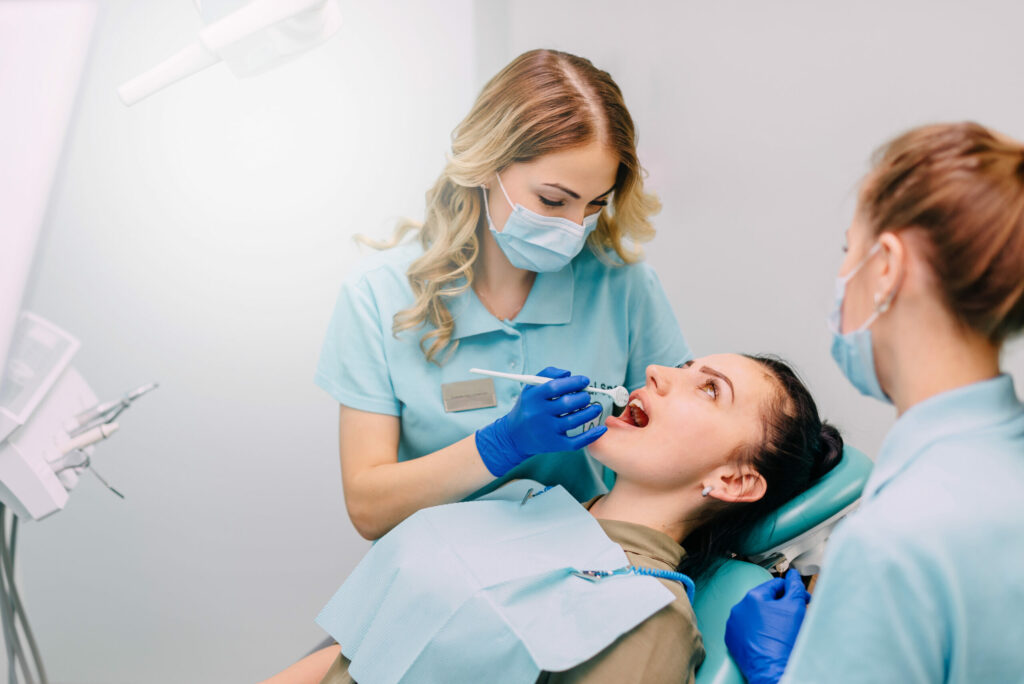
Taking care of dentures is essential. Neglecting them can cause plaque buildup and gum infections.
To keep your dentures in top shape, clean them daily with a soft-bristled brush and a cleaner made just for dentures. Soak them overnight in a cleaning solution to keep them fresh. Regular dental visits are important to prevent problems.
- Daily Cleaning: Brush your dentures gently with a denture cleaner.
- Overnight Soaking: Leave them in a cleaning solution each night.
- Regular Check-Ups: Visit your dentist regularly to catch any issues early.
By following these steps, you’ll ensure your dentures last longer and keep your mouth healthy.
Understanding the Importance of Denture Hygiene
Denture hygiene is very important for keeping your mouth healthy. Clean dentures help prevent problems like gum infections, bad breath, and irritation. If plaque builds up on your dentures, it can cause issues like stomatitis and gingivitis. Regular cleaning and care stop bacteria and fungi from growing on your dentures, which is good for both your mouth and your overall health.
To keep dentures in good shape, check and clean them often. This not only prevents damage but also makes them last longer. Patients should learn simple, effective ways to manage plaque. This reduces infection risks and keeps your mouth healthy. Doctors and dentists can help by teaching these practices and encouraging regular care.
The Daily Denture Cleaning Routine
Daily Denture Cleaning Tips
Keeping your dentures clean is key to avoiding mouth infections and making them last longer. Use a gentle denture cleaner instead of regular toothpaste to avoid scratching them. Try using antimicrobial solutions to kill germs. It’s best to clean your dentures after every meal and again before bed. This routine keeps your mouth healthy and your dentures in good shape.
Proper Cleaning Techniques
To keep dentures in good shape, it’s important to clean them daily. Start by soaking your dentures overnight in lukewarm water or a special cleaning solution. This helps them keep their shape and prevents damage. Use an antibacterial solution to reduce bacteria and fungi on the surfaces. Brush them gently with a soft-bristled brush to remove food and plaque. Following these steps will help maintain your dentures, improve oral hygiene, and ensure comfort. Regular care means your dentures last longer and support better oral health.
Recommended Cleaning Products
Keep your dentures clean and fresh by using the right cleaning products every day. Denture-specific cleaners dissolve plaque and remove stains without harming your dentures. Disinfecting solutions are crucial for killing bacteria and fungi, keeping your mouth healthy. Use a denture brush with soft bristles to clean all the nooks and crannies, ensuring no debris is left behind. These tools help maintain your dentures in top condition and support your overall oral health.
Frequency of Cleaning
Clean your dentures twice daily. Just like you brush your natural teeth, cleaning your dentures every morning and evening is crucial. This routine helps prevent plaque buildup and keeps harmful bacteria at bay, reducing the risk of infections and gum problems. Start your day by removing your dentures, brushing them with a gentle cleaner, and soaking them in a denture solution. Don’t forget to clean your gums, tongue, and the roof of your mouth too. Sticking to this routine not only keeps your mouth healthy but also makes your dentures last longer and feel more comfortable.
Choosing the Right Cleaning Products
Choosing the right cleaning products for dentures is important for keeping them in good shape and ensuring oral health. Using denture-safe cleaning solutions and avoiding harsh products can prevent damage and make dentures last longer. If you prefer gentler options, natural cleaning alternatives might be a good choice. Just make sure they are effective and safe to use.
Keep your dentures clean with the right products, and you’ll protect their quality and your oral health. Always check that any natural cleaners you consider are proven to work and won’t harm your dentures.
Denture-Safe Cleaning Solutions
When it comes to keeping dentures clean, choosing the right products is key. This helps maintain the dentures’ quality and keeps your mouth healthy.
- Denture Disinfectants: These special solutions kill germs without harming your dentures. They are safe and effective, ensuring your dentures stay clean.
- Natural Cleaners: Made without harsh chemicals, these gentle options are less likely to cause allergies. They clean well and are safe for daily use.
- Enzymatic Cleaners: These break down plaque and food bits, making sure your dentures are really clean.
Picking the right cleaning products is important for good oral care and extending the life of your dentures.
Avoiding Abrasive Products
Keep Your Dentures in Good Shape
Avoiding abrasive products is key to keeping dentures in top condition. Using harsh cleaners can cause tiny scratches on dentures. These scratches can trap bacteria and lead to poor oral hygiene. Instead, choose denture cleaners with gentle ingredients. These products clean effectively without damaging the surface. They help maintain a shiny finish and reduce bacterial buildup, lowering the risk of infections. Regular use of specially-designed, non-abrasive denture cleaners will keep your dentures strong. For the best results, talk to your dentist about which products suit your needs to ensure great denture care and oral health.
Natural Cleaning Alternatives
Looking for natural ways to clean your dentures? Here are some safe and effective options:
- Vinegar-Based Solutions: Using diluted white vinegar can help kill harmful bacteria without harming your dentures. It’s a great choice for daily cleaning.
- Baking Soda Mixtures: Mix baking soda with water to create a paste that fights odors and removes stains, keeping your dentures fresh and bright.
- Combined Use: Alternate between vinegar and baking soda for a thorough clean, as they work well together to boost your denture hygiene.
Always check with your dentist for personalized advice.
Proper Techniques for Brushing Dentures
Brushing dentures correctly is key to keeping them and your mouth healthy. Use a soft-bristled denture brush and a non-abrasive cleanser to avoid scratching the surface. Hold the brush at a 45-degree angle to clean effectively, and use circular motions to cover all areas, including the top surfaces and under any clips. This method helps remove plaque and debris, preventing oral infections and keeping your dentures in good shape. Don’t forget regular dental check-ups, which are also important for maintaining your dentures’ condition.
Soaking Dentures Overnight
Soaking dentures overnight is essential for good oral hygiene. This practice helps loosen plaque, remove food particles, and prevent bacteria buildup. Using effervescent cleaners is effective because they release oxygen bubbles that help clean debris. Alternatively, soaking dentures in mouthwash provides antimicrobial benefits and leaves a fresh scent.
For best results, follow these steps:
- Choose a Cleaning Solution: Decide between effervescent cleaners or mouthwash. Both clean effectively.
- Submerge Dentures Completely: Ensure they are fully covered for a thorough cleaning.
- Rinse Well: After soaking, rinse dentures with water to wash away any leftover cleaning solution.
These steps ensure your dentures stay clean and fresh, maintaining oral health effortlessly.
Caring for Your Mouth and Gums
To keep your mouth and gums healthy, caring for them is just as important as maintaining dentures. Gently brush your gums with a soft-bristled toothbrush to remove plaque and debris. Using an alcohol-free mouth rinse can help reduce bacteria that cause gum irritation. Regular check-ups with your dentist are key to spotting any early issues. Give your gums a break by taking out your dentures for 6-8 hours each day. This allows for better blood flow and keeps your gums in good shape.
Avoiding Common Denture Care Mistakes
Proper denture care is essential to prevent discomfort and oral health problems. Here’s how you can ensure your dentures stay in great shape:
- Denture Storage: Store dentures in a moist environment. This prevents warping. Use a special denture solution instead of plain water or household cleaners.
- Denture Cleaning: Don’t use abrasive cleaners. They scratch the surface, which leads to bacteria buildup.
- Regular Check-ups: Visit your dentist regularly to check the fit and function of your dentures. This helps avoid long-term issues.
Following these steps will help maintain your oral health and keep your dentures in perfect condition.
Recognizing Signs of Denture Wear and Tear
Denture wear and tear is normal, but you can manage it with regular checks and fixes. Look out for cracks or discoloration in your dentures. Cracks might happen due to wear or accidents, causing discomfort. Discoloration often results from certain foods or plaque buildup, affecting appearance and cleanliness. Regularly check your dentures for these issues to catch problems early. If you notice cracks, get them fixed by a professional. For discoloration, use proper cleaning methods. These steps help keep your dentures working well and your mouth healthy.
Regular Dental Check-Ups and Professional Cleanings
Regular dental check-ups and professional cleanings are crucial for keeping your dentures in top shape and ensuring your mouth stays healthy. These appointments help spot any issues early, making treatments more effective and extending the life of your dentures. During check-ups, your dentist will make sure your dentures fit well and check for any signs of oral health problems. Cleanings are vital because they remove plaque that can cause gum inflammation or even affect your overall health.
Benefits of Regular Dental Visits:
- Better Oral Health: Regular dentist visits help prevent infections and keep your mouth healthy.
- Longer-Lasting Dentures: Consistent care means your dentures will work well for a longer time.
- Improved Quality of Life: Taking care of potential problems early leads to better health and well-being.
Frequently Asked Questions
How Often Should Dentures Be Replaced?
Dentures typically need replacing every 5 to 7 years. This is due to regular wear and tear, changes in your mouth, and the materials breaking down over time. Regular check-ups with your dentist are important to ensure your dentures fit well and your mouth remains healthy. Good oral health means visiting your dentist to check both your dentures and your overall dental well-being. Keep an eye on how your dentures feel, and let your dentist know if you notice any discomfort or changes. This helps maintain a comfortable and functional fit.
Can I Use Regular Toothpaste on My Dentures?
Can I use regular toothpaste on my dentures?
No, using regular toothpaste on your dentures is not advisable. Toothpaste can be too abrasive and may scratch the denture surface. Instead, clean your dentures with a soft-bristle brush and a denture-specific cleanser. Additionally, using denture soaking solutions can effectively remove bacteria and stains, keeping your dentures fresh and clean. Remember, proper denture care not only helps maintain their appearance but also ensures your oral health. If you have any doubts, consult with your dentist for personalized advice.
What Should I Do if My Dentures Feel Loose?
If your dentures feel loose, it’s important to see a dentist to get them adjusted. Loose dentures can cause discomfort and lead to other oral health issues if not fixed. A dentist can ensure your dentures fit properly, providing you with comfort and functionality. Don’t try to adjust them yourself, as this might damage them. Scheduling a dental appointment is the best way to deal with loose dentures and keep your mouth healthy.
Are There Specific Foods to Avoid With Dentures?
Avoid hard-to-chew foods like nuts, chewy candies, and crusty bread, as they can cause dentures to shift. Instead, opt for denture-friendly options like soft vegetables, tender meats, and dairy products. These choices help maintain good nutrition and ensure comfort.
Eating with dentures means making smart food choices. By sticking to softer foods, you reduce the risk of discomfort and enjoy meals more. Explore new recipes with mashed potatoes, yogurt, or steamed vegetables for a satisfying diet that supports your dental health.
Choosing the right foods with dentures means prioritizing comfort and nutrition.
How Can I Prevent Bad Breath With Dentures?
To prevent bad breath with dentures, clean them regularly and thoroughly. Use effective denture cleaning products to remove biofilm and debris, which cause odor-causing bacteria. This keeps your dentures fresh and helps maintain good oral health.
For best results, brush your dentures daily with a soft-bristle brush and a non-abrasive cleaner. Soak them overnight in a denture solution to eliminate any lingering bacteria. Rinse them well before wearing them again. By following these steps, you can keep your breath fresh and your smile confident.