
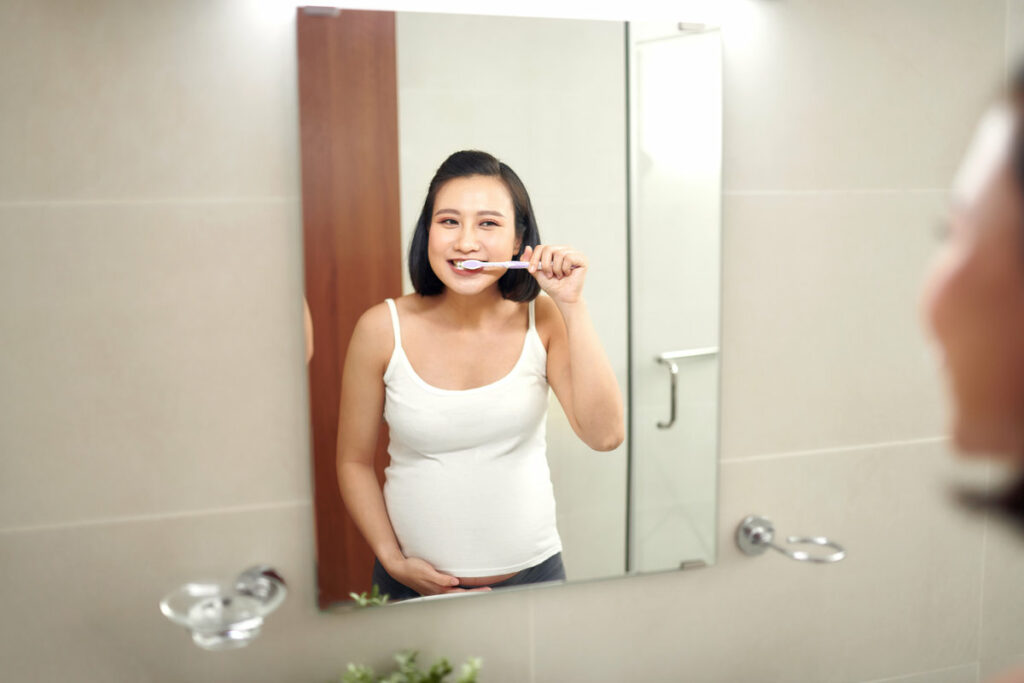
Pregnant women should visit the dentist regularly. Hormonal changes during pregnancy can lead to gum inflammation and increase the risk of tooth decay. Visiting the dentist once every trimester helps keep an eye on oral health and prevents issues.
This not only keeps the mother healthy but also protects the baby. Untreated gum disease can negatively impact pregnancy, so dental care during this time is crucial. Make sure to schedule regular dental check-ups to maintain good health for both mom and baby.
Understanding Hormonal Changes and Oral Health
Hormonal Changes Impact Oral Health During Pregnancy
When you’re pregnant, your body goes through many hormonal changes that can affect your mouth. Higher levels of hormones like estrogen and progesterone can cause your gums to become inflamed and sensitive. This happens because these hormones increase blood flow to your gums.
Saliva also changes during pregnancy. It might not flow as much or could be different in composition, which means it can’t wash away food particles or neutralize acids as effectively. This can lead to dental problems.
To keep your mouth healthy, it’s important to pay extra attention to your teeth and gums. Visiting the dentist more often can help catch any issues early. Dental professionals suggest being extra vigilant about oral health during pregnancy because of these hormonal and saliva changes.
Common Dental Concerns During Pregnancy
Pregnancy can affect your oral health, particularly your gums. Hormonal changes during this time can cause issues like pregnancy gingivitis, which results in gum inflammation, swelling, and bleeding. Pregnant women are also more prone to tooth decay due to changes in diet and acid reflux. Regular dental check-ups are important to maintain oral health during pregnancy. Prioritize visiting your dentist to address these concerns and keep your teeth and gums healthy.
Hormonal Changes Impact Gums
Hormonal changes during pregnancy can affect your gums. These changes, especially increases in estrogen and progesterone, can lead to pregnancy gingivitis. This means your gums might become more inflamed, swollen, and prone to bleeding due to the body’s stronger reaction to plaque. Increased blood flow to your gums also adds to this inflammation.
These hormonal shifts can also weaken the structures supporting your teeth, like the periodontal ligament and jawbone. To maintain good oral health, it’s important to be extra diligent with brushing and flossing and to visit your dentist regularly. Understanding how hormones affect your gums highlights the need for attentive dental care during pregnancy to prevent issues.
Pregnancy Gingivitis Risks
Pregnancy gingivitis is a common concern because gums are more prone to swelling and infection during pregnancy. This happens due to hormonal changes that increase inflammation, impacting oral health. When gums are inflamed, it can negatively affect the placenta and potentially lead to preterm birth or low birth weight. There’s also a possible link between gum disease and gestational diabetes, which can complicate pregnancy further. To protect your health and your baby’s, maintain good oral hygiene and visit the dentist regularly. Catching gum issues early and getting professional advice is key to keeping you both healthy.
Tooth Decay Concerns
Pregnancy can increase the risk of tooth decay. Hormonal changes affect gums and enamel, making cavities more likely. These shifts can cause plaque buildup by altering your mouth’s environment, leading to more bacteria. Morning sickness and dietary changes might introduce stomach acids into your mouth, eroding enamel further. Cravings for sugary snacks can add to the problem by increasing plaque. Regular dental check-ups during pregnancy are crucial for oral health. Dentists can offer advice to help prevent decay, ensuring your teeth stay healthy.
The Impact of Gum Disease on Pregnancy
Gum disease can affect pregnancy by causing serious health risks. When you have gum disease, it can harm the placenta, which is crucial for a healthy pregnancy. The inflammation and bacteria from gum disease might lead to issues with the baby’s development. These germs can enter your bloodstream, causing inflammation that could increase the chances of early birth or a baby with low birth weight. These conditions can lead to long-term health problems for the child. Plus, pregnancy hormones can make gum inflammation worse, making you more prone to gum disease. So, keeping your mouth clean and your gums healthy is really important for both you and your baby during pregnancy.
Safe Dental Treatments for Expectant Mothers
Are Dental Treatments Safe During Pregnancy?
Yes, many dental treatments are safe during pregnancy when handled correctly. It’s important to maintain oral health as it can affect both the mother and the baby.
Managing Periodontal Health
Treating gum disease is crucial because it can lead to pregnancy complications. Procedures like scaling and root planing are safe and help maintain healthy gums.
Oral Cancer Screenings
Routine checks for oral cancer are recommended since pregnancy hormones can change oral tissues.
Dental X-Rays
If you need dental X-rays, it’s best to have them in the second trimester with proper protection to keep you and your baby safe.
Using Anesthetics
Local anesthetics like lidocaine are safe in normal doses during pregnancy, so there’s no need to worry if you need them for your dental work.
Timing of Treatments
While it’s best to wait until after childbirth for non-urgent dental work, essential treatments should not be delayed. Always talk to your healthcare provider to ensure the best outcomes for you and your baby.
How Often Pregnant Women Should Visit the Dentist
Pregnant women should visit the dentist once every trimester. This means scheduling a dental check-up every three months during pregnancy. Hormonal changes can lead to issues like gingivitis and periodontal disease, so these visits help keep your teeth and gums healthy. Regular check-ups allow your dentist to provide personalized advice and catch any problems early. By staying on top of dental care, you help ensure a healthy pregnancy for both you and your baby. Prioritizing oral health during pregnancy supports overall well-being and can prevent complications.
Tips for Maintaining Oral Hygiene at Home
Taking care of your teeth during pregnancy is vital. Start with good brushing and flossing habits to remove plaque and stop gingivitis. Use fluoride toothpaste to strengthen your enamel and prevent cavities. Eating a balanced diet with fewer sugary snacks and drinks also helps keep your teeth healthy.
Brushing and Flossing Techniques
Brushing and Flossing Tips for Healthy Gums
Brushing and flossing properly are key to keeping your teeth and gums healthy, especially during pregnancy when gum disease risk increases. Use a soft toothbrush at a 45-degree angle to your gums. Clean each tooth with gentle, circular motions. Don’t forget to brush the outer, inner, and chewing surfaces of all your teeth.
For flossing, take about 18 inches of dental floss. Slide it between each tooth, wrap it in a C-shape, and move it up and down to clear away plaque. These simple steps help prevent gingivitis and other oral health issues during pregnancy.
Importance of Fluoride Toothpaste
Fluoride toothpaste is crucial for keeping your teeth healthy, especially if you’re pregnant. It helps make your teeth stronger and prevents cavities by protecting the enamel. To get the most out of it, brush twice a day for two minutes each time. This routine fights decay and supports your oral health, which is important during pregnancy when hormonal changes can increase dental problems. Regular use of fluoride toothpaste leads to a healthier mouth and prevents future dental issues. This consistent care is key for maintaining strong teeth and gums for pregnant women.
Diet’s Impact on Teeth
A balanced diet is key to keeping your teeth healthy, especially during pregnancy. Eating foods rich in calcium and vitamin D strengthens teeth and bones. Pregnant women should include these nutrients in their diet to support dental health. Morning sickness can increase mouth acidity, which may harm tooth enamel. To prevent this, rinse your mouth with water or use fluoride mouthwash after vomiting. Eating less sugar and more fiber boosts saliva, which helps clean your mouth. By following a diet that supports dental health, pregnant women can protect their teeth effectively.
The Connection Between Oral Health and Birth Outcomes
Good oral health is crucial for a healthy pregnancy. Problems like gum disease can affect how the placenta develops, which is essential for your baby’s growth. When gums are infected, harmful substances can enter your bloodstream and potentially lead to issues like early labor or low birth weight, both of which can pose risks to your baby.
Regular dental check-ups and good oral care, like brushing and flossing, help ensure your oral health is in top shape during pregnancy. By keeping your mouth healthy, you can support a healthier pregnancy and baby.
Addressing Dental Anxiety During Pregnancy
Pregnant women often experience dental anxiety, making it harder to maintain oral health. Understanding and addressing these fears is crucial for effective prenatal care. Techniques like cognitive-behavioral strategies help change negative thoughts about dental visits. Relaxation methods, such as deep breathing and guided imagery, can also reduce stress. Dentists can support pregnant patients by creating a calm environment, explaining procedures clearly, and adjusting treatments for pregnancy needs. Regular communication with dental professionals significantly reduces anxiety, leading to better oral health during pregnancy.
Preparing for Postpartum Dental Care
Taking care of your teeth after giving birth is important because pregnancy can affect your oral health. Hormonal changes may increase the risk of gum disease or cavities. Regular dental check-ups are key to keeping track of your recovery and fixing any problems. Professional cleanings help remove plaque and tartar that may have built up.
Stick to a good dental routine by brushing and flossing daily. A diet rich in calcium and vitamin D is great for your teeth. If you have any ongoing mouth pain, see a dentist to get it sorted out quickly and protect your oral health.
Frequently Asked Questions
Can Dental X-Rays Harm the Baby During Pregnancy?
Can Dental X-Rays Harm the Baby During Pregnancy?
Dental x-rays during pregnancy generally carry minimal risk due to low radiation levels. Modern protective techniques help ensure safety, but it’s important to be cautious. Hormonal changes during pregnancy can make some women more sensitive, so it’s best to carefully assess the need for x-rays. Always inform your dentist if you’re pregnant, so they can take the necessary precautions. If an x-ray is essential, protective shields and targeted techniques can minimize exposure, keeping both you and your baby safe.
Are There Specific Dental Products Recommended for Pregnant Women?
Pregnant women can benefit from using an electric toothbrush. It helps in effectively removing plaque, which is crucial for maintaining good oral health. Additionally, fluoride supplements can strengthen tooth enamel, offering further protection. Dental professionals often recommend these products to support oral health during pregnancy. Regular use of an electric toothbrush and fluoride supplements can result in healthier teeth and gums, which is essential for both the mother and the baby. Always consult with your dentist to ensure these products are right for you and your pregnancy.
Is It Safe to Use Teeth Whitening Products While Pregnant?
Is it safe to use teeth whitening products while pregnant? Generally, it’s best to be cautious. There isn’t much research on this, so experts usually suggest avoiding teeth whitening products during pregnancy. Instead, consider safer alternatives like professional cleanings or whitening toothpaste. These options are generally better for expectant mothers, giving you a brighter smile without the worry. Always consult with your dentist for personalized advice.
Can Morning Sickness Affect My Dental Health?
Morning sickness can harm your dental health. It often leads to teeth sensitivity and gum inflammation. When you frequently throw up, stomach acid can wear down tooth enamel and irritate your gums. This means it’s crucial to maintain good oral hygiene and visit the dentist regularly.
To protect your teeth, rinse your mouth with water after vomiting to wash away the acid. Consider using a fluoride rinse to strengthen your enamel. Remember, taking care of your teeth during this time can prevent long-term dental issues.
Should I Inform My Dentist About My Pregnancy Before the Appointment?
Yes, you should tell your dentist if you are pregnant before your appointment. Pregnancy can change your oral health needs, so it’s important to keep your dentist informed. This means your dentist can adjust treatments and give you advice to maintain good oral health during pregnancy.
During pregnancy, hormone changes can cause issues like gum inflammation. By knowing you’re pregnant, your dentist can focus on these areas to protect both you and your baby.
In short, letting your dentist know about your pregnancy helps ensure you receive safe and effective dental care. This small step can make a big difference in your overall health.