
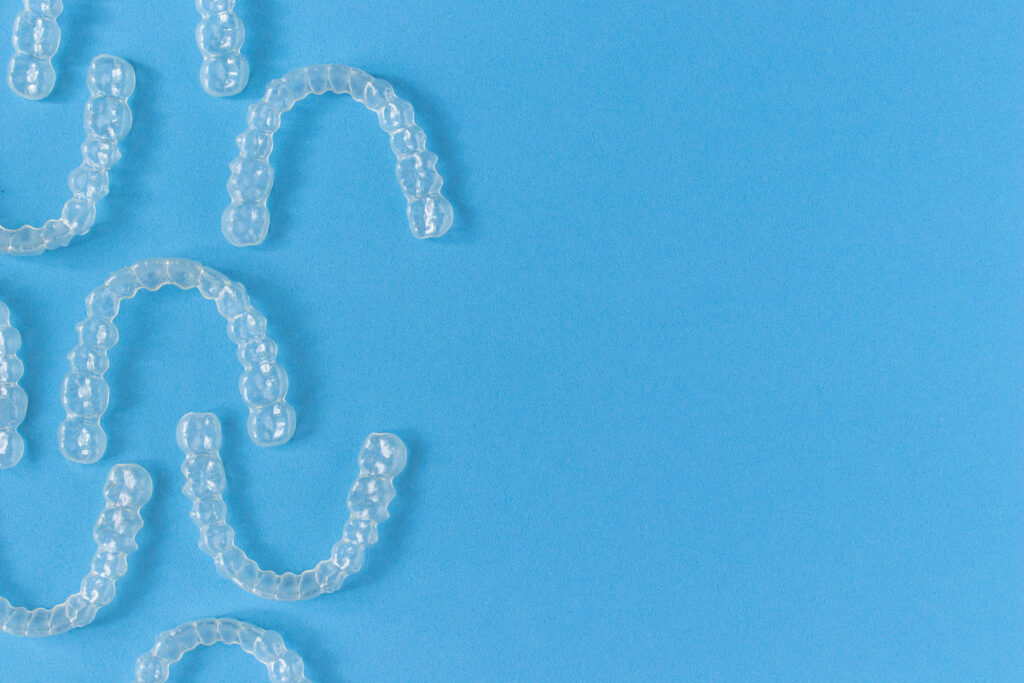
Clear Braces and Teen Aligners: Handling Emergencies
Orthodontic emergencies with clear braces and teen aligners can mean pain, broken brackets, or misplaced aligners. It’s important to tackle these issues quickly to avoid bigger problems. Knowing quick fixes and when to see your orthodontist is key.
Common Problems and Solutions
If a bracket breaks, use orthodontic wax to protect your mouth until you can see the orthodontist. For lost aligners, wear the previous set to maintain progress.
Prevention and Maintenance
Keep your orthodontic journey smooth by maintaining good oral hygiene and avoiding hard or sticky foods that can cause damage. Regular check-ups are also essential.
With these tips, you can confidently manage your orthodontic care.
Identifying Common Orthodontic Emergencies
Orthodontic Treatment Emergencies
Orthodontic treatments with clear braces or teen aligners can sometimes lead to unexpected issues. Here’s what you need to know:
- Pain or Discomfort: It’s common to feel some discomfort. Over-the-counter pain relievers can help, but if pain persists, contact your orthodontist.
- Wire Problems: Misaligned or poking wires can hurt your mouth’s soft parts. Use orthodontic wax to reduce irritation temporarily, but see your orthodontist for a proper fix.
- Regular Check-Ups: Keep up with your scheduled appointments. Regular visits help catch and fix issues early, reducing discomfort and complications.
Broken Brackets: What to Do Next
If a bracket on your braces comes loose or breaks, take quick action to avoid problems. A broken bracket can cause discomfort and mess up the alignment of your teeth. First, contact your orthodontist for professional guidance. While waiting for your appointment, you can temporarily fix the issue. Use dental wax or sugarless gum to cover any sharp edges and prevent irritation. Do not try to remove the loose bracket yourself; leave that to your orthodontist to avoid damage. Stay away from hard or sticky foods that could make things worse. Addressing this issue quickly ensures your orthodontic treatment stays on track.
Dealing With Loose Bands and Wires
Dealing with Loose Bands and Wires
First, check for any loose or sticking-out parts of your braces that might be uncomfortable. Using orthodontic wax can help ease irritation until you can see your orthodontist. It’s important to contact them quickly to fix these problems and avoid more issues later.
Identifying Loose Orthodontic Components
Spotting Loose Orthodontic Parts
Loose braces or aligners can affect your treatment and comfort. Regularly check your orthodontic devices to ensure everything is secure. A loose band might show a gap between it and the tooth. If wires are poking out or not in place, they could be loose. Missing brackets or ligatures mean your teeth won’t move correctly. Look out for any unusual movement or discomfort. By checking each part, orthodontists can quickly fix problems, keeping your treatment on track and preventing injuries or misalignment.
Temporary Fixes for Comfort
Temporary fixes can help ease discomfort from loose orthodontic wires or bands until you can see your orthodontist. Here are some simple methods:
- Orthodontic Wax: Place wax on sharp wire ends to stop them from irritating your cheeks or gums.
- Eraser Head: Use an eraser head to gently press down any wires that are sticking out.
- Clean Tweezers: Carefully use tweezers to move a loose wire back into place.
- Saltwater Rinses: Rinse your mouth with warm saltwater to soothe irritated areas.
These tips help maintain comfort and prevent irritation until you can get a permanent fix from your orthodontist.
When to Contact Orthodontist
When to Call Your Orthodontist
If something feels off with your braces, like a loose wire or a band that’s come off, don’t wait to call your orthodontist. These issues can cause pain or make your teeth shift in the wrong direction. It’s important to get them fixed quickly to keep your treatment on track. When you call the office, explain exactly what’s wrong so they can help you fast. Quick action can prevent further problems and ensure your braces are doing their job effectively. Always reach out promptly to avoid any unnecessary delays in your treatment.
Misplaced or Lost Aligners: Steps to Take
What to Do When Aligners Are Misplaced
If your aligners go missing, act quickly to keep your orthodontic treatment on track. Start by looking in usual places like dining areas, bathrooms, or bags. If you still can’t find them, reach out to your orthodontist right away to discuss getting replacement aligners.
Use Previous Aligners
While waiting for a replacement, use your last set of aligners if you have them. This helps to keep your teeth from shifting.
Prevent Future Loss
To avoid losing your aligners again, always use a designated case for storage. This simple habit can save you from future headaches.
Handling Discomfort and Pain
Misplaced aligners can interrupt your orthodontic journey, so it’s crucial to address them promptly. Many people also wonder how to handle the discomfort and pain from wearing clear braces and teen aligners. Initially, you might feel some pressure as the aligners start working. To ease this, follow your orthodontist’s advice and use pain relievers like ibuprofen when needed.
For more comfort, try applying a cold compress to numb any sore spots and reduce swelling. Eating soft foods can also help by minimizing the effort needed to chew, which can otherwise cause irritation. Keeping up with good oral hygiene and consistent care routines can greatly reduce discomfort over time, making your orthodontic experience smoother and more effective.
Managing Mouth Sores and Irritations
Managing mouth sores and irritations during orthodontic treatment with clear braces or teen aligners is common but manageable. Here’s how to handle these issues effectively:
- Keep Your Mouth Clean: Brush and floss regularly to prevent infections that can worsen sores.
- Apply Orthodontic Wax: Use wax on brackets to reduce friction with your mouth’s soft tissues.
- Rinse with Salt Water: A salt water rinse can soothe sores and aid in healing.
- Stay Hydrated: Drinking enough water keeps your mouth moist and reduces irritation.
These steps can help soothe mouth sores and make your orthodontic journey more comfortable.
Temporary Solutions for At-Home Care
Managing minor orthodontic issues at home can be simple with the right temporary solutions. Loose brackets, poking wires, and missing aligners are common problems. Using orthodontic wax can ease irritation from wires. If a bracket is loose, gently adjust it with clean tweezers until you can see your orthodontist. Lost an aligner? Wear the previous one to keep your teeth in place. For minor pain, over-the-counter pain relief can help. These quick fixes ensure comfort and prevent further issues until you can get professional care.
When to Seek Professional Help
When to Seek Professional Help for Orthodontic Issues
Some orthodontic problems need a dentist’s or orthodontist’s immediate attention. If you experience severe pain, damaged braces, or ongoing discomfort that home remedies can’t fix, it’s time to see a professional. Here are the main signs to watch out for:
- Severe Pain: If your discomfort is intense and painkillers don’t help, see your orthodontist.
- Broken Braces: If you notice parts of your braces are broken or loose, they need fixing.
- Swelling or Infection: Swollen gums or pus around your braces could mean an infection.
- Unexpected Tooth Movement: If your teeth are moving in ways they shouldn’t, get it checked.
Getting professional help quickly can prevent bigger problems and keep your treatment on track. Don’t ignore these issues, as they could lead to more serious complications.
Preventing Future Orthodontic Emergencies
To prevent orthodontic emergencies, stick to a good oral hygiene routine and go to regular checkups. Keeping your braces or aligners clean helps avoid issues like cavities and gum disease, which can make orthodontic problems worse. Regular dental visits mean any potential issues are caught and fixed early, reducing the chance of emergencies.
Make sure to brush and floss around your braces or aligners daily. This keeps your teeth and gums healthy. Also, don’t skip your orthodontist appointments. These checkups catch problems before they become big issues, helping you stay on track for a healthy smile.
Maintain Oral Hygiene Routine
Maintaining good oral hygiene is key to preventing problems with clear braces or teen aligners. Follow these simple steps to keep your mouth healthy:
- Brush Properly: Use a soft toothbrush at a 45-degree angle to clean around your braces or aligners thoroughly.
- Floss Carefully: Try orthodontic flossers or threaders to get between your teeth and under the wires easily.
- Rinse Regularly: An antimicrobial mouthwash helps reduce bacteria and prevents gum issues.
- Avoid Hard Foods: Steer clear of sticky or hard foods that might harm your braces or aligners.
These habits make a big difference in avoiding dental emergencies and keeping your smile bright!
Regular Orthodontic Checkups
Regular orthodontic checkups are crucial to preventing orthodontic emergencies. These visits ensure that your braces or aligners are adjusted on time and that your treatment is on track. During these appointments, the orthodontist can spot minor issues like loose brackets or shifting teeth before they become bigger problems. By catching these early, they can make necessary changes to your treatment plan for the best results. Regular checkups also help in making sure your orthodontic appliances are working correctly and efficiently. Plus, these visits are a great chance to learn how to care for your braces properly, reducing the chance of problems caused by improper maintenance. Overall, keeping up with your regular orthodontic appointments means smoother treatment and fewer complications.
Frequently Asked Questions
Can I Eat Popcorn With Clear Braces or Aligners?
Eating popcorn with clear braces or aligners can cause discomfort and damage. It’s best to avoid crunchy foods like popcorn to keep your orthodontic appliances in good shape.
Crunchy foods can break or bend the wires and brackets of braces, and they can also get stuck in the aligners. This can lead to potential issues and may extend your treatment time.
If you’re craving a snack, consider softer options that won’t harm your braces or aligners. By choosing the right foods, you help ensure that your orthodontic treatment goes smoothly and effectively.
How Often Should I Clean My Teen Aligners?
Clean your teen aligners every day to keep your mouth healthy. Use a soft toothbrush and non-abrasive toothpaste to gently brush them. When you’re not wearing them, store your aligners in a protective case to avoid damage. Keeping up with this routine ensures your aligners stay in good condition and your teeth remain clean.
Are There Specific Foods to Avoid With Clear Braces?
Avoid crunchy snacks and hard foods when wearing clear braces to prevent damage. Choosing soft foods means you’re less likely to dislodge brackets or experience discomfort during your orthodontic treatment.
Stick to soft foods like yogurt, pasta, and bananas. These choices reduce the risk of breaking your braces and are easier to chew. Limiting sticky or chewy foods, such as caramel and gum, also helps maintain your braces.
Can I Play Sports With Aligners In?
Yes, you can play sports with aligners in, but there are some precautions to consider. If you’re playing contact sports, it’s best to remove your aligners and wear a mouth guard. This simple step keeps your teeth safe and prevents any damage to the aligners. Remember, protecting your smile while engaging in sports is essential, so always prioritize safety with a proper mouth guard. For non-contact sports, you might be able to keep your aligners in, but it’s always wise to check with your dentist for specific advice based on your needs.
How Do Clear Braces Affect Speech Initially?
Clear braces can initially affect your speech. When you first start wearing them, you might notice some changes in how you talk. This is because your mouth is getting used to having them. Over time, as you adapt, your speech will improve, and any initial difficulties will lessen. Most people find that after a little while, they can talk normally again, with clear braces helping to straighten teeth without causing long-term speech issues. If you’re worried about speech changes, practicing speaking can help speed up the adjustment process.