
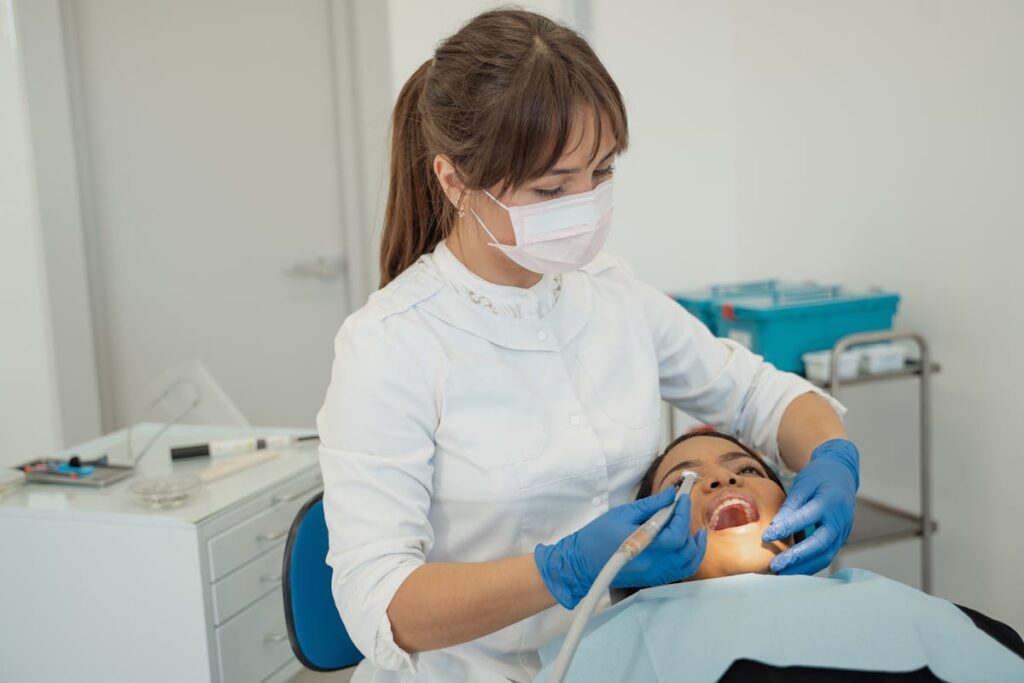
When choosing between clear braces and Invisalign, consider aesthetics, comfort, and maintenance. Clear braces are less noticeable than metal braces but still visible. Invisalign offers nearly invisible, removable aligners.
Clear braces and Invisalign each have pros and cons. They affect cost, treatment time, and are suited for different dental needs. Your choice should consider personal preferences, treatment goals, and budget.
Evaluate the characteristics of each option. Clear braces might be better if you don’t mind a slight visibility for effective treatment. Invisalign might be for you if you prioritize discretion and convenience.
Think about what matters most to you and consult with your dentist to make an informed decision.
Understanding Clear Braces
Clear braces, or ceramic braces, use tooth-colored or clear brackets for a less noticeable look compared to metal braces. They are a popular choice for those who want a more discreet orthodontic treatment. However, these braces can sometimes discolor due to certain foods or poor oral hygiene. To prevent this, consider teeth whitening options during and after treatment. Regular dental visits and cleanings can help keep your braces looking good. Be ready to add extra dental care steps to maintain their appearance throughout the process.
For a bright smile with clear braces, follow these tips:
- Avoid foods and drinks that stain, like coffee and red wine.
- Brush and floss regularly to keep your teeth and braces clean.
- Use a whitening toothpaste if recommended by your dentist.
- Schedule regular dental check-ups to catch any discoloration early.
Exploring Invisalign
Invisalign offers a discreet way to straighten teeth. It uses clear, removable aligners that gently move your teeth into the right position. This is a nearly invisible option compared to traditional braces, making it ideal for those who care about appearance during treatment.
These aligners are custom-made for you, fitting seamlessly into your daily routine. You can easily remove them to brush and floss, which helps keep your gums healthy and reduces plaque buildup. Plus, they don’t interfere with teeth whitening, allowing you to enhance your smile even while straightening your teeth.
Every two weeks, you’ll switch to a new set of aligners, ensuring your teeth are consistently moving toward their perfect alignment. This method not only straightens teeth effectively but also keeps you confident in your smile.
Comfort and Wearability
Comfort and wearability are crucial when choosing between clear braces and Invisalign. Both options have their perks, but here’s a breakdown to help you decide:
- Flexibility: Invisalign aligners can be easily removed for meals and brushing, making daily life easier.
- Lifestyle Fit: Clear braces stay in place all the time, so you don’t have to worry about losing them.
- Comfort: Invisalign’s smooth plastic means less irritation in your mouth.
- Maintenance: Clear braces need careful cleaning to avoid plaque buildup.
These points are key to making an informed choice about your orthodontic treatment.
Aesthetic Appeal
When considering the look of orthodontic treatments, it’s important to see how each affects your smile during the process. Clear braces are less noticeable than regular metal ones because they use see-through materials that blend with your teeth. However, they still have brackets and wires that can be visible. Invisalign is a nearly invisible option with clear aligners that fit closely over your teeth, making them a great choice if you prefer discretion. Both options help straighten teeth effectively, but it comes down to whether you want a subtle look or don’t mind the traditional brace appearance.
Cost Considerations
Cost is a big factor when picking between clear braces and Invisalign. Here’s what you need to know:
- Payment Plans: Many orthodontic clinics offer financing options. This means you can pay in installments instead of all at once.
- Insurance Coverage: Dental insurance can vary. Some plans might help cover the cost, but others might not.
- Treatment Complexity: More complex teeth issues usually mean higher costs. Simple cases tend to be cheaper.
- Location: Where you live affects prices. Costs can vary based on local economic factors.
Understanding these points helps you make a smart financial decision for your orthodontic care.
Effectiveness of Treatment
Clear braces and Invisalign are both effective for straightening teeth, but the choice depends on your specific needs. Clear braces, with brackets and wires, work best for complex dental issues like severe misalignments, as they apply precise force to adjust teeth effectively. Invisalign, using clear aligners, suits mild to moderate misalignments and relies on you wearing them consistently to achieve the best results.
Both treatments have high success rates, but orthodontists might suggest clear braces for more complicated corrections and Invisalign for simpler, cosmetic changes. This way, the treatment is tailored to your needs, ensuring the best outcome.
Maintenance and Care
To keep your clear braces or Invisalign in top shape, follow these simple steps for great dental health and effective treatment. Both options need you to pay close attention to cleaning and visit your dentist regularly.
Oral Hygiene: Brush and floss after every meal to avoid cavities and gum issues.
Cleaning: Use a soft toothbrush and gentle toothpaste for clear braces. For Invisalign, clean with lukewarm water and special cleaning solutions.
Appointments: Keep up with dental visits to ensure your treatment is on track.
Fit Check: For Invisalign, make sure they fit well and let your dentist know if they feel uncomfortable.
These steps will help you achieve a healthy and successful treatment outcome.
Treatment Duration
When considering how long orthodontic treatment takes, it depends on the type of treatment and the dental issues involved. Clear braces usually take about 18 to 24 months. They are fixed, so they offer less flexibility. On the other hand, Invisalign typically takes 12 to 18 months. The removable aligners make it more flexible, but you need to wear them as instructed for best results. Both methods require regular check-ups with your dentist to track progress and make necessary changes.
Suitability for Various Dental Issues
Clear braces and Invisalign both help straighten teeth, but they work best for different dental issues.
For complex dental problems, clear braces might be a better choice because they can handle tougher cases. Young people and adults have different bone growth, so age matters when choosing between these options. Younger patients might find Invisalign easier to use.
If your teeth are very misaligned, clear braces often provide stronger correction than Invisalign.
Consider your specific needs and talk to your dentist to decide which option is right for you.
Complexity of Dental Issues
Choosing between clear braces and Invisalign often depends on how complicated your dental issues are. Clear braces might be the better choice for more severe problems because they are strong and effective for complicated corrections. Invisalign is usually best for simpler cases.
Here’s what to consider:
- Severity of Misalignment: If your teeth are very misaligned, clear braces could be more effective.
- Bite Issues: Complex bite problems might be better addressed with clear braces.
- Tooth Rotation: Teeth that need a lot of turning might improve more with clear braces.
- Oral Hygiene: Invisalign can be removed, making it easier to keep your teeth clean during treatment.
These factors are key to picking the best treatment for your needs.
Age Considerations Matter
Age matters when choosing between clear braces and Invisalign. Young teens might benefit more from clear braces because they are strong and handle complex dental changes well. On the other hand, adults and older teens might prefer Invisalign for its look and ease of use, fitting nicely with work and social activities. However, Invisalign needs commitment; you have to wear them regularly for the best results. So, age and lifestyle are key in picking the right treatment.
Severity of Misalignment
Severity of Dental Misalignment
The severity of dental misalignment affects whether you might opt for clear braces or Invisalign. If your teeth need significant adjustments, clear braces are often the best choice. They handle tough cases well due to their strength. For mild to moderate misalignment, Invisalign can be a great option, offering a more flexible and discreet solution.
When choosing between these options, think about:
- Bite Complexity: Major bite problems need the durability of clear braces.
- Crowding: Lots of crowding usually calls for clear braces.
- Commitment: Invisalign only works if worn consistently.
- Goals: Decide based on your desired results and timeline.
This guide should help you choose the right path for your dental needs, ensuring a smile that matches your expectations.
Frequently Asked Questions
Can I Switch From Clear Braces to Invisalign During Treatment?
Switching from clear braces to Invisalign during treatment is possible. You’ll need to talk to your orthodontist. They will check how well your treatment is going and see if changing to Invisalign is a good idea. This ensures your teeth align properly while considering your unique dental needs.
It’s important to consult with your orthodontist before making any changes. They can give you the best advice and outline the steps needed to switch. This way, you can be sure that your dental health remains on track and you achieve the desired results with Invisalign.
Are There Any Dietary Restrictions With Clear Braces or Invisalign?
Clear braces require you to avoid hard, sticky, or chewy foods. These can damage the braces. In contrast, Invisalign is more flexible. You can remove them before eating. This means you can enjoy a wide variety of foods without changing your eating habits.
With clear braces, think of avoiding foods like popcorn, nuts, and gum to keep your braces intact. For Invisalign users, simply take out the aligners before meals. This flexibility lets you maintain your regular diet with ease. Remember to brush your teeth before putting Invisalign back in to keep up with oral hygiene.
How Do Clear Braces and Invisalign Affect Speech Initially?
Clear braces and Invisalign can initially affect how you speak. These dental devices might cause slight lisping or make certain sounds trickier to pronounce. With clear braces, you might notice a change in how you say words, while Invisalign aligners require a bit of adjustment to their presence in your mouth.
Most people quickly adapt, and any speech changes are usually temporary. Practicing speaking slowly and clearly can help speed up the adjustment process. Remember, these changes are a normal part of getting used to your new dental aligners.
What Are the Potential Side Effects of Clear Braces and Invisalign?
Clear braces and Invisalign may cause gum irritation and tooth discoloration. Gum irritation happens because brackets or trays can rub against your gums. Tooth discoloration can occur if it’s hard to keep your teeth clean while using these aligners. Both of these issues might lead to discomfort and affect your smile’s appearance. To avoid these problems, make sure to visit your dentist regularly and maintain good oral hygiene. If you notice any irritation or discoloration, talk to your dentist right away for advice on how to manage it effectively.
Can I Participate in Sports or Physical Activities With Clear Braces or Invisalign?
Yes, you can participate in sports or physical activities while wearing clear braces or Invisalign. It’s important to wear a mouthguard during contact sports to protect your teeth and braces. Keeping your mouth clean is also crucial. Make sure to clean your teeth and aligners before and after exercising to avoid any issues. Remember, taking these simple steps lets you stay active without compromising your dental care.