
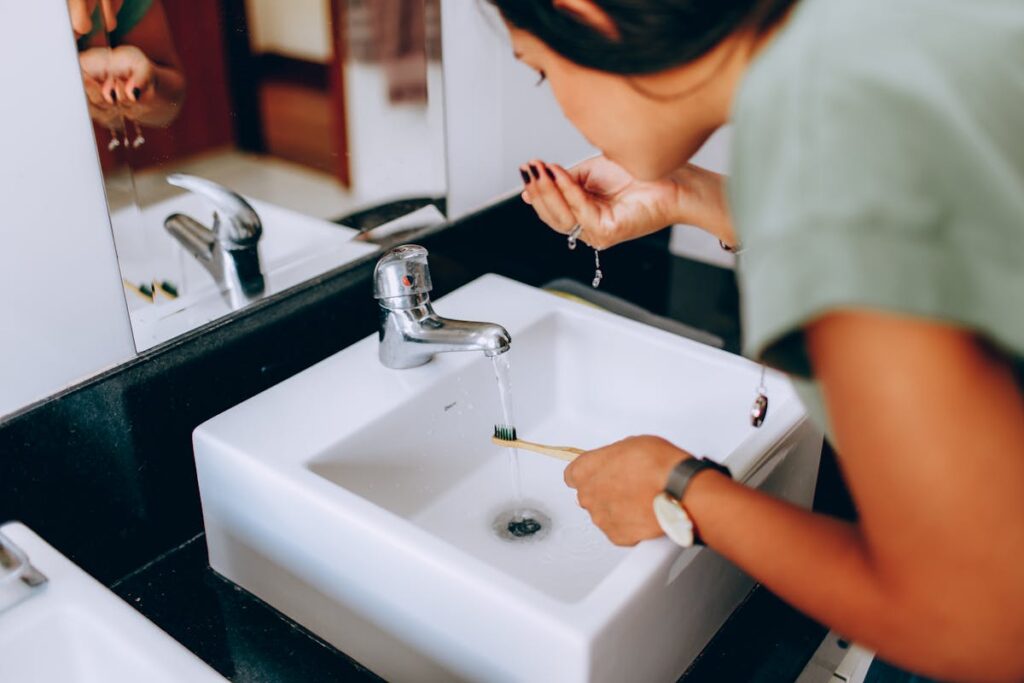
Keep dental implants clean to make them last longer and work better. Use a soft-bristled toothbrush, implant-specific floss, and interdental brushes for effective cleaning. These tools help remove food particles and plaque, keeping your implants healthy.
Water flossers and antimicrobial rinses add an extra layer of protection against bacteria. Remember, these steps are simple but crucial for maintaining your dental implants. Following this regular routine means longer-lasting implants and better oral health.
Understanding the Importance of Cleaning Dental Implants
Keeping dental implants clean is crucial for their health and your overall oral hygiene. Dental implants are durable and designed to look like natural teeth, but they need proper care to stay in good shape. Cleaning them well helps prevent bacteria from building up, which can lead to peri-implant diseases. These diseases weaken the implant and damage the surrounding tissue.
Bacteria form a sticky layer called biofilm on implant surfaces, which can cause inflammation and infection. Using the right tools and techniques is essential to clean these tricky areas effectively. Regular dental check-ups are also important to keep an eye on the implant and get professional help if needed.
Good cleaning habits can greatly extend the life of your dental implants.
Developing a Daily Oral Hygiene Routine
To keep dental implants healthy, it’s important to have a good daily oral care routine. This means focusing on removing plaque and preventing issues around the implants. Use dental floss made for implants to clean between teeth where plaque builds up. Adding antimicrobial mouthwash helps lower bacteria levels. Brush gently with a non-abrasive toothpaste to keep implants clean. Using the right brushing technique is key to long-lasting implants. Regular dentist visits for cleanings and check-ups are also essential to maintain implant health. This daily care routine will help your implants last longer and stay in good condition.
Choosing the Right Toothbrush for Implants
Choosing the Right Toothbrush for Dental Implants
Go for a soft-bristled toothbrush. Soft bristles clean the implant surface well and protect your gums from damage.
Decide between electric or manual toothbrushes. Electric brushes often offer consistent and thorough plaque removal around implants, but a manual brush can also do a good job if used correctly.
Soft-bristled Brush Benefits
Choosing the right toothbrush is vital for keeping dental implants healthy. Soft-bristled brushes are the best choice because they clean gently, protecting both the implant and your gums. These brushes reduce pressure on the implant, preventing gum recession and potential damage. Their soft bristles reach under the gum line to remove plaque effectively without harming delicate tissues. Using a soft-bristled brush regularly ensures good oral hygiene and helps your implant last longer.
Electric vs. Manual Options
Choosing between an electric or manual toothbrush for dental implants depends on your needs and comfort. Electric toothbrushes are great for removing plaque with their oscillating or sonic technology. They often come with timers and sensors to help you brush correctly without harming your implants. On the other hand, manual toothbrushes give you control over how you brush, especially around implants. However, they might need more effort to clean as effectively as electric ones. Consider your hand control, tooth sensitivity, and personal preference to decide which type keeps your dental implants healthy for the long haul.
Utilizing Interdental Brushes for Hard-to-Reach Areas
Interdental brushes are a must for keeping dental implants clean, especially in those tricky spots a regular toothbrush can’t reach. These little brushes help remove plaque and keep your gums healthy. To use them, gently slide the brush between your implant and nearby teeth. It should fit comfortably without being forced, to avoid hurting your gums. It’s important to check and replace your brush regularly to keep it clean and effective.
Key Benefits:
- Better Plaque Removal: Reaches areas a normal toothbrush can’t.
- Less Gum Inflammation: Helps reduce the chance of infections around implants.
- Versatile Sizes: Comes in different sizes to fit various spaces.
- Easy to Use: Simple design makes it user-friendly.
- Affordable: A cost-effective way to care for your implants daily.
Using interdental brushes can help your dental implants last longer.
The Role of Dental Floss in Implant Care
Dental floss is crucial for keeping dental implants healthy. Use floss specifically made for implants; it’s designed to clean around the unique shapes of these structures. Proper flossing helps remove plaque from the area around the implant, reducing the risk of implant-related gum diseases. Getting the hang of these flossing techniques keeps your mouth clean and helps your dental implants last longer.
Floss Types for Implants
Choosing the right floss for dental implants is crucial for keeping your mouth healthy and ensuring your implants last. Different floss types are tailored for implants, each providing benefits in cleaning and accessibility. Implant-specific floss is designed to clean around the implants gently, protecting the gums and prosthesis.
Material Matters: Some floss is made from soft, spongy materials that fit well around implant surfaces.
Thickness and Texture: Different flosses meet various cleaning needs and spaces.
Ease of Use: Floss with handles or threaders can make it easier to use.
Antibacterial Properties: Some flosses help reduce bacteria.
Flossing Techniques: Make sure your floss works well with implant cleaning methods.
Proper Flossing Technique
How do you ensure clean dental implants with flossing? Start by choosing the right floss, like specialized implant floss. Gently thread it between your implant and nearby teeth, taking care not to hurt your gums. Use a ‘C-shape’ method—wrap the floss around the implant base and move it up and down to remove plaque and food bits. Avoid snapping the floss to protect your gums. Consistent and careful flossing keeps implants clean and healthy, helping them last longer and improving your oral health.
Exploring the Benefits of Water Flossers
Using water flossers can greatly improve oral hygiene, especially for those with dental implants. Water flossers use streams of water to clean your teeth and gums, reaching places that regular floss might miss. This is important for keeping dental implants in good shape.
Key Benefits:
- Better Cleaning: Water flossers effectively remove bacteria and food particles around implants.
- Gentle on Gums: They are less likely to harm your gums compared to regular floss.
- Easy to Use: Operating a water flosser is simple and suits different dental needs.
- Boosts Gum Health: The water flow improves blood circulation in your gums.
- Adjustable Settings: You can change the water pressure to what feels comfortable for you.
These features make water flossers a valuable part of any oral care routine.
Incorporating Antimicrobial Mouth Rinses
Using Antimicrobial Mouth Rinses with Water Flossers
Adding antimicrobial mouth rinses to your daily oral care routine can really help, especially if you have dental implants. These rinses are great at fighting harmful bacteria that might gather around your implants. They work by breaking down bacterial cell walls and stopping their growth, which helps prevent infections like peri-implantitis. Studies show that using these rinses regularly can significantly reduce implant plaque and improve gum health. Look for rinses with chlorhexidine or essential oils, as these are known to be effective. This simple step can help keep your implants healthy for longer and boost your oral health overall.
Scheduling Regular Dental Check-Ups
Regular dental check-ups are vital for keeping dental implants healthy and long-lasting. Scheduling these visits means you get expert cleanings that stop plaque from building up and prevent gum problems around your implants. Here’s what you need to know for maintaining your dental implants:
- Get Cleanings Twice a Year: These help stop plaque and tartar from gathering on your teeth.
- Have Full Oral Check-Ups: These exams find any problems early on.
- Follow a Personalized Care Plan: This keeps your mouth in the best shape possible.
- Learn About Home Care: Knowing how to care for your implants at home is crucial.
- Stay in Touch with Your Dentist: Keeping your dental records updated makes sure you get the best care.
These steps show why regular check-ups are so important for taking care of dental implants.
Recognizing Signs of Implant Complications
Recognizing Dental Implant Problems
Dental implant issues can show up as inflammation, like redness or swelling around the implant. This often means there’s an infection or the implant isn’t healing correctly. If you notice these signs, it’s important to see a dentist quickly.
Other signs include the implant feeling loose, bleeding when you touch it, or ongoing pain. These can mean problems like bone loss or peri-implantitis, which is a type of gum disease around the implant.
Regular dental check-ups are key. They help catch these issues early, allowing for prompt treatment and preventing further complications or implant failure. Always keep an eye on how your implants feel and look, and consult your dentist if anything seems off.
Frequently Asked Questions
Can Smoking Affect the Cleanliness of Dental Implants?
Smoking can make dental implants less clean. Using tobacco causes more plaque to build up and leads to inflammation. If you smoke for a long time, these problems get worse. Nicotine and tar change the types of bacteria in your mouth and slow down healing. This increases the chances of getting an infection around the implant, which is known as peri-implantitis, and can shorten the life of the implant. So, if you want your dental implants to stay healthy and last longer, it’s a good idea to quit smoking.
Are There Specific Foods to Avoid With Dental Implants?
Avoid hard, sticky, or crunchy foods with dental implants to prevent damage. Instead, opt for soft foods and chew carefully. This approach helps maintain oral stability and extends the life of your implants.
Stick to foods like mashed potatoes, yogurt, and soft fruits. Hard candies, nuts, and crunchy snacks can harm implants, so it’s best to steer clear.
Taking care of your implants with the right diet means they’ll last longer and keep your smile looking great. Remember, choosing soft foods and chewing gently are easy ways to protect your investment in your dental health.
How Do Lifestyle Habits Impact Dental Implant Maintenance?
Lifestyle habits greatly affect dental implant care. Eating less sugary and acidic foods helps prevent plaque buildup. Getting good sleep boosts your immune system, which reduces inflammation and aids healing. This is crucial for the long-term success of dental implants.
Consuming a balanced diet supports oral health. Foods high in sugar and acid can lead to plaque, which harms both natural teeth and implants. Stick to wholesome meals to keep your mouth healthy.
Quality sleep is vital for healing. A strong immune system means less inflammation around implants, helping them last longer. Aim for restful sleep to support your dental health.
What Are Common Myths About Dental Implant Cleaning?
Here are some common myths about dental implant cleaning:
Myth: Improper brushing techniques are enough to maintain dental implants. Truth: Proper brushing is essential. Using the right technique and tools, like a soft-bristle toothbrush, ensures your implants stay clean and healthy. Neglecting this can lead to implant issues.
Myth: Skipping professional cleanings doesn’t impact implant health. Truth: Regular dental check-ups are crucial. Professional cleanings help prevent peri-implant diseases, which can affect the longevity of your implants. Regular visits to your dentist ensure both your implants and natural teeth remain in good condition.
Understanding these facts can help you maintain your dental implants effectively.
How Does Stress Influence Oral Hygiene for Dental Implants?
Stress can lead to poor oral hygiene for dental implants. When you’re stressed, you might neglect brushing and flossing, which are crucial for keeping implants healthy. Managing stress through relaxation techniques or regular exercise can help you maintain good oral care habits. By staying consistent with your dental routine, you ensure your implants remain in top condition. Remember, taking care of your mental health is just as important as taking care of your teeth. Together, they support your overall well-being and the longevity of your dental implants.