
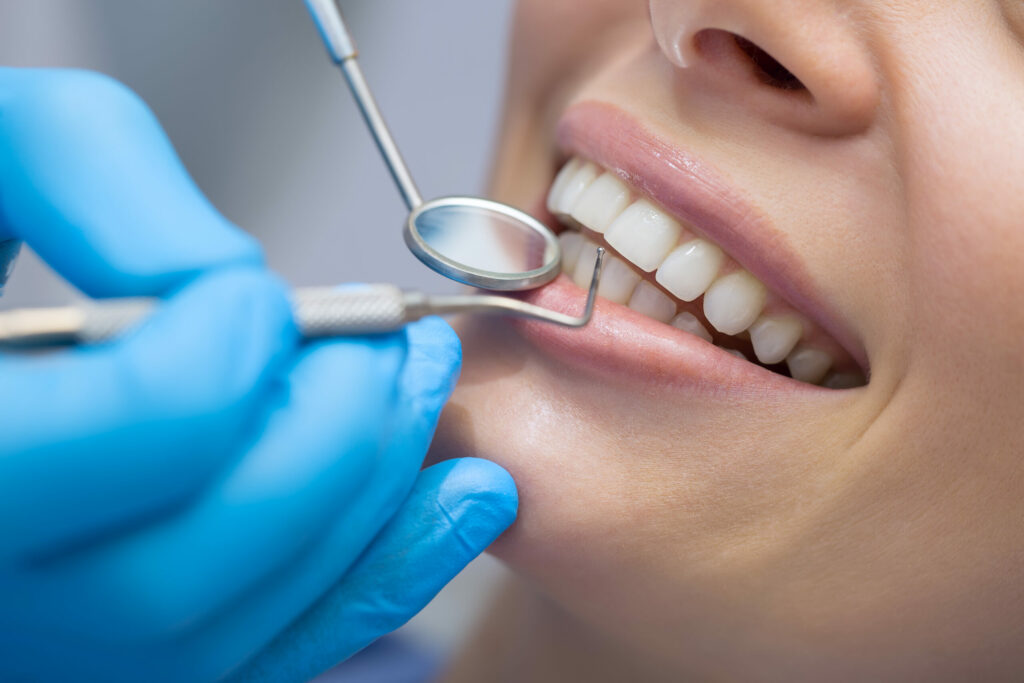
Replacing several missing teeth can be done in a few ways. The main options include dental bridges, dentures, and dental implants. Each choice affects your oral health, appearance, and budget differently.
Dental Bridges: These are fixed appliances that fill the gap caused by missing teeth using adjacent teeth for support. They look natural but require healthy neighboring teeth.
Dentures: Available as partial or full sets, dentures are removable and cost-effective. They can restore your smile but may need adjustments over time.
Dental Implants: These are permanent solutions that look and feel like real teeth. Implants can be more expensive but offer long-lasting benefits.
Choosing the right solution depends on your specific needs and preferences. It’s best to consult with your dentist to find the most suitable option for you.
Understanding the Impact of Missing Teeth
Missing teeth affect more than just your smile; they can lead to health problems too. When teeth are gone, it can change how you chew and bite, potentially causing issues with your jaw joint and extra wear on your other teeth. Losing teeth also leads to bone loss in your jaw. This bone loss can change the shape of your face, making it look older with deeper lines and a sunken mouth area. Studies show that having missing teeth can lower your quality of life. That’s why it’s important to see a dentist soon to fix missing teeth and keep your mouth healthy and looking good.
Traditional Dental Bridges: Pros and Cons
Traditional dental bridges are a practical choice for replacing missing teeth. They are generally more affordable than dental implants. The durability of dental bridges can vary, depending on the materials used and your oral hygiene habits. When it comes to looks, these bridges can closely resemble natural teeth. However, achieving a perfect match depends on the dental technician’s skill and the quality of the materials. Overall, they provide a cost-effective and visually pleasing solution for many people.
Cost and Affordability
Dental bridges are a popular choice for replacing missing teeth because they’re generally more affordable upfront than implants. Many patients find the initial cost lower, but it’s important to think about future expenses like maintenance or possible replacements. To help manage costs, many dental offices offer payment plans that let you spread payments over time. Also, check with your dental insurance to see what they might cover, as this varies widely. It’s a good idea to talk with your dentist to explore all your financial and treatment options.
Durability and Longevity
When thinking about dental bridges, it’s important to know how long they last. Traditional bridges, made from materials like porcelain fused to metal or all-ceramic, generally last between 5 to 15 years. Their lifespan depends on how well you take care of your teeth and how strong the supporting teeth are. On the other hand, dental implants can last over 20 years with good care, making them more durable. But if you can’t have implants due to bone issues or health concerns, bridges might be the better choice. Regular dental check-ups are key to keeping your bridge in good shape and fixing any issues quickly.
Aesthetic Considerations
Traditional dental bridges help maintain your smile’s appearance by supporting facial symmetry. When teeth are missing, it can cause other teeth to shift, which might affect your smile’s balance. By filling gaps, bridges help maintain the natural shape of your face. Thanks to advancements in dental materials, modern bridges can closely match the color and translucency of your natural teeth, ensuring they blend in well. However, preparing the teeth next to a gap might involve altering healthy teeth, which can affect how your smile looks in the long run. It’s important to consider your unique dental structure when deciding on a bridge.
Exploring Partial Dentures
Partial dentures are a practical solution for replacing missing teeth while keeping your natural ones intact. They use metal clasps or precision attachments to stay secure, which helps you chew and speak comfortably. A good fit means improved oral function and appearance. Over time, your mouth might change, which can affect how dentures fit. If this happens, denture relining can help by adding new material to the inside of the denture, making it more comfortable again. Partial dentures are flexible and can be customized to fit different needs and mouth shapes, making them a versatile choice for many people.
The Advantages of Full Dentures
Full dentures are a practical solution for those with significant tooth loss. They offer comfort and convenience, making it easier to eat and speak. Made from materials like acrylic resin, full dentures fit snugly in your mouth, allowing you to chew effectively. They can be customized to match your unique needs, helping to restore your smile and maintain the shape of your face. When fitted well, full dentures can significantly improve your quality of life, boosting your confidence and overall well-being.
Dental Implants: A Permanent Solution
Dental implants are a fantastic, long-lasting solution for missing teeth. They’re titanium posts placed in your jaw, acting like real tooth roots. This strong bond, called osseointegration, keeps them firmly in place.
Why Choose Dental Implants?
- Preserve Bone Health: Implants help your jawbone stay strong, unlike dentures which can cause bone loss.
- Long-Lasting: With good care, implants can last your entire life.
- Stay Secure: They don’t slip, making eating and talking easier.
- Look Natural: Implants blend well with your natural teeth, giving you a confident smile.
Taking care of your implants is key to keeping your mouth healthy and ensuring they last.
Implant-Supported Bridges: Combining Benefits
Implant-supported bridges mean a more stable solution for missing teeth. These bridges anchor to dental implants, which results in a secure and lasting fix. This setup improves how you chew and speak, making daily activities more comfortable. Many patients find these bridges satisfying because they feel like natural teeth.
If you’re dealing with missing teeth, implant-supported bridges can significantly enhance your oral health. They offer a strong, reliable option that helps you eat and talk just like before. Plus, they look and feel natural, giving you a confident smile.
Enhanced Stability Provided
Dental implants are a game-changer in restorative dentistry because they offer strong support for replacement teeth. This support means you can chew more effectively and speak more clearly, which are important for feeling satisfied with your dental care. Unlike traditional dentures that can slip, implant-supported bridges stay firmly in place in your jawbone.
- Stable Bonding: Implants join with the bone, creating a solid base.
- Even Force Spread: Distributes chewing pressure evenly, preventing bone loss.
- Natural Feel: Keeps the natural sense of touch, helping you chew accurately.
- Long-Lasting: Built to withstand wear and tear over time.
These benefits make implant-supported bridges a great option for those wanting dependable dental restoration. Advances like these highlight why dental implants should be part of treatment plans for the best stability and results.
Improved Oral Functionality
Implant-supported bridges greatly improve oral function. By combining the stability of implants with the practicality of bridges, they make chewing easier and more efficient. This means you can enjoy a variety of foods without worry. The secure fit of the implants keeps the bridge stable, working much like natural teeth. This stability also helps with clearer speech, as it aids proper tongue placement and pronunciation. Research shows implant-supported bridges work better than regular dentures for chewing and speaking. So, if you want to restore your oral abilities after losing teeth, this option is highly beneficial.
Comparing Costs and Longevity of Options
When choosing how to replace missing teeth, think about both cost and how long each option lasts. Dental implants, bridges, and dentures all have different price points and lifespans.
- Dental Implants: Although expensive at first, dental implants last the longest and could save money over time.
- Bridges: Bridges cost less than implants and offer a good balance of durability.
- Dentures: These are the cheapest initially but need replacing more often.
Insurance might help with costs, but coverage varies. Dental clinics often offer payment plans to help manage expenses.
Understanding these options helps you make the best choice for your needs.
Evaluating Comfort and Aesthetics
When thinking about replacing missing teeth, comfort and looks are key factors. Comfort is crucial because it affects how happy you are with your new teeth and how well you stick with them. Dental implants and fixed bridges usually feel more comfortable than removable ones because they stay put and fit well with your mouth.
Looking good is important too. It boosts your confidence and helps in social situations. For a natural look, the color, shape, and position of the new teeth should match real ones. Materials like ceramic and zirconia are popular because they look like real enamel. These factors play a big role in making dental restorations successful.
Choosing the Right Solution for Your Needs
Choosing the right way to replace missing teeth involves understanding your personal needs and preferences. It’s important to look at options like dental implants, fixed bridges, and removable partial dentures.
Dental Implants: These are strong and work like natural teeth, making them a long-lasting choice.
Fixed Bridges: These are attached to nearby teeth and offer a stable solution for missing teeth.
Removable Partial Dentures: These are easy to maintain and can be taken out when needed.
Think about your daily activities and lifestyle when making your choice. An evidence-based approach ensures the solution is just right for you, considering your oral health and bone density. This way, you’ll get the best results for your individual situation.
Frequently Asked Questions
What Type of Anesthesia Is Used During Teeth Replacement Procedures?
During teeth replacement procedures, local anesthesia is often used to numb the specific area, ensuring you don’t feel pain. If you’re nervous or the procedure is more complex, conscious sedation or general anesthesia might be recommended. This helps you stay relaxed and comfortable.
The choice of anesthesia depends on the complexity of the procedure and your personal comfort needs. Dentists aim to minimize discomfort and make your experience as pleasant as possible. Always discuss your options with your dentist to choose the best approach for your situation.
How Long Does the Entire Teeth Replacement Process Take?
The teeth replacement process usually takes several months. This is because healing times can vary from person to person. To ensure the best results, you’ll need to visit your dentist regularly and keep up with good oral hygiene practices. Regular check-ups and brushing and flossing your teeth are key.
Everyone’s experience is a bit different, but staying on top of your dental care can lead to a great outcome. Remember, the process might be slow, but patience and proper care can lead to a healthy, confident smile.
Are There Any Dietary Restrictions After Getting Replacement Teeth?
After getting replacement teeth, it’s important to be mindful of what you eat for optimal healing and function. Start with soft foods like yogurt, mashed potatoes, and smoothies. Over time, you can gradually return to your regular diet, but make sure you’re still getting the nutrients you need. Follow any specific advice from your dentist, as individual needs can vary.
Stick to soft foods to help your mouth heal. Think soups, scrambled eggs, and soft fruits. Avoid hard or sticky foods like nuts and candy that could damage new teeth. As you heal, you can slowly reintroduce regular foods, but always prioritize nutrition.
Will My Speech Be Affected by New Teeth Replacements?
Getting new teeth replacements can temporarily affect your speech, making it harder to pronounce certain words. This is because your mouth needs time to adjust to the new dental prosthetics. However, with regular use and a little practice, your speech will likely improve.
To help with this transition, practice speaking in front of a mirror or read aloud for a few minutes each day. Over time, your mouth will adapt, and your speech should become clearer. Remember, this is a common and temporary phase that many people experience with new dentures or dental implants.
How Often Should I Follow up With the Dentist After Teeth Replacement?
Visit your dentist twice a year after getting your teeth replaced. These regular checkups help ensure your new teeth last a long time. During these visits, your dentist checks for any issues and makes adjustments to keep your mouth healthy and your replacement teeth working well. Regular appointments mean catching problems early, leading to simple fixes rather than major repairs. Prioritizing these biannual visits helps you enjoy your new smile without worries.