
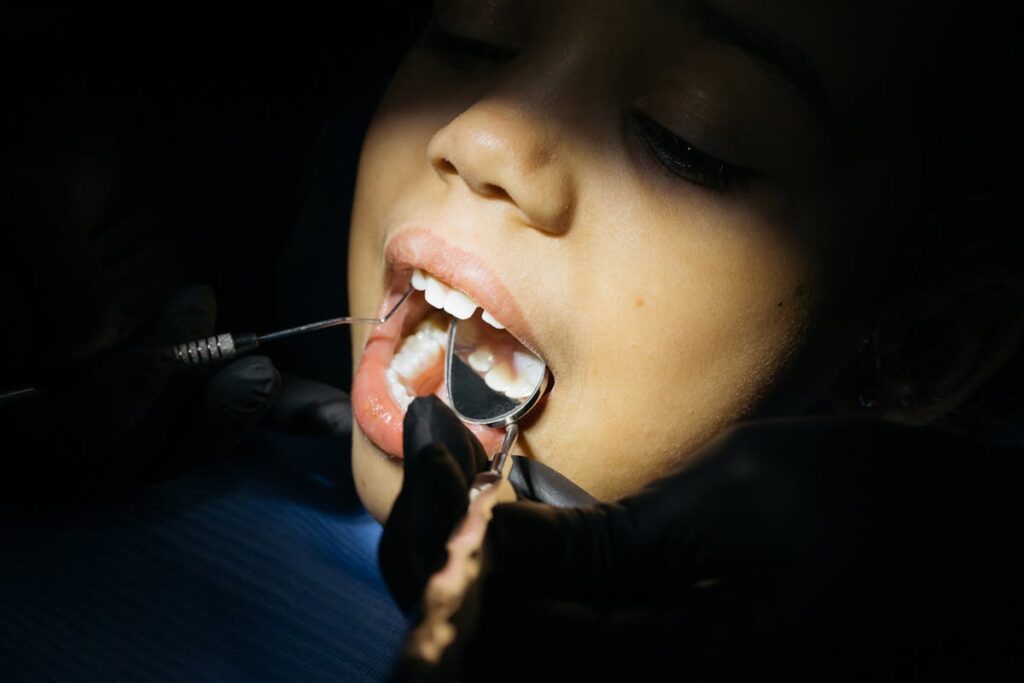
Taking care of your mouth after a root canal is essential for healing and keeping your teeth healthy. To ease any pain, you can take over-the-counter pain relievers. Stick to eating soft foods to avoid irritating the treated area. Keeping your mouth clean is important, so brush and floss gently.
If you notice ongoing pain or other concerns, see your dentist right away. Regular follow-up visits help ensure everything is healing well. To boost recovery, avoid hard or sticky foods, and don’t chew on the treated side. Stay hydrated and avoid smoking to support your dental health.
Managing Pain and Discomfort
How can patients manage pain after a root canal? It’s common to feel some sensitivity or mild pain after this procedure. To help with this, dentists often suggest taking over-the-counter painkillers like ibuprofen or acetaminophen. These help reduce inflammation and block pain, making you feel more comfortable. For stronger pain, your dentist might prescribe medication. Applying a cold compress to the outside of your cheek can also reduce swelling and numb the pain.
Stick to the medication schedule your dentist gives you for best results. Keeping your mouth clean without irritating the treated area helps prevent infection, which could make pain worse. Make sure to attend follow-up appointments so your dentist can check your healing and adjust your pain relief plan if needed.
Understanding Dietary Restrictions
After a root canal, stick to soft foods for fast healing. Choose things like soups, yogurt, and mashed veggies. These options are gentle on your treated tooth and provide the nutrients you need. Avoid hard, chewy, or crunchy foods—they can mess up your temporary filling or cause pain. Also, steer clear of very hot or cold foods, as they can make the tooth sensitive. By following these easy tips, you can lower the risk of infection and ensure a smooth recovery after your root canal.
Maintaining Oral Hygiene
Proper oral hygiene is key to preventing problems and aiding healing after a root canal. Use a soft-bristled toothbrush with fluoride toothpaste. Brush gently to avoid irritating the treated area and make sure to clean all tooth surfaces. Do this at least twice a day.
Flossing is just as important. Use dental floss or interdental brushes to clean between your teeth and along your gums. This helps prevent infection and keeps your gums healthy. Keeping up with these practices promotes recovery and strengthens your overall oral health, reducing the risk of future dental problems.
Recognizing Signs of Complications
Spotting complications after a root canal is crucial for quick treatment. Look out for pain and swelling, as these can mean problems. If you notice ongoing sensitivity, or signs of infection like fever or pus, it’s time to see your dentist right away.
Root canal issues often cause pain, swelling, and infection symptoms. Being aware of these signs helps you act fast and get the help you need. Always consult your dentist if you experience discomfort or unusual symptoms after your procedure.
Pain and Swelling Indicators
Pain and Swelling After a Root Canal
After a root canal, some pain and swelling are normal, but it’s important to know what to watch for. Swelling that lasts more than a few days might mean there’s an infection or another issue that needs a dentist’s attention.
When to Call Your Dentist
Mild discomfort should be expected, but if the pain gets worse or becomes severe, it’s time to see your dentist. This kind of pain could mean there’s a problem, like leftover infected tissue or a poorly sealed root canal.
Why This Matters
Being aware of these symptoms helps prevent complications and ensures you heal well. Understanding this can help you take action quickly, making your recovery smoother. Always feel free to ask your dentist if you have any concerns.
Persistent Sensitivity Warning
If you’re experiencing sensitivity after a root canal, it might mean there’s an issue. While some discomfort is normal, ongoing pain or extreme sensitivity to hot or cold could indicate a problem. This might result from the nerve tissue still being inflamed or the root canal not being sealed properly. These symptoms need a dentist’s evaluation. Acting quickly can prevent further complications and help ensure a smooth recovery. Recognizing these signs early is essential for maintaining good oral health after a root canal. Always consult a dental professional if you notice anything unusual.
Infection Symptoms Alert
Watch for Infection After a Root Canal
After a root canal, keeping an eye on possible infection is crucial for a smooth recovery. Key signs of infection include a fever, which means your body temperature is higher than normal. Look for ongoing pain, swelling, or pus around the treated area. These symptoms mean it’s time to see your dentist.
If your temperature stays above 100.4°F, it could be a sign of infection. It’s important to know the difference between normal healing and signs of infection. Quick action and careful monitoring are key to dealing with any problems after a root canal.
Scheduling Follow-Up Appointments
After a root canal, scheduling follow-up appointments is crucial to ensure proper healing and detect any complications early. These timely check-ups allow your dentist to track your recovery and address any problems quickly. Sticking to the recommended follow-up schedule increases the chances of successful treatment. Always remember, a well-scheduled visit means better dental health outcomes.
Importance of Timely Visits
Timely follow-up visits are crucial for a successful root canal. They let your dentist check how well you’re healing and catch any issues early. By sticking to your appointments, you help prevent problems like lingering pain or swelling that might affect your recovery. Your dentist can also give you advice tailored to your healing process, which boosts your overall results. Plus, these visits are a great time to learn more about keeping your teeth healthy in the long run. So, attending all your follow-up appointments is key to getting the best outcome from your root canal treatment.
Monitoring Healing Progress
Keep an eye on your recovery after a root canal to ensure everything heals properly. Going to follow-up appointments is key. These visits help your dentist check how well you’re healing and spot any issues, like infection or swelling, early on. By sticking to the scheduled visits, usually within a few weeks after the procedure, you help ensure any problems are caught and treated promptly. During these check-ups, your dentist might take X-rays and examine your mouth to make sure the treatment worked. This careful monitoring helps keep your oral health on track and prevents future problems.
Adhering to Medication Guidelines
Taking your medication correctly is key to feeling better after a root canal. Follow your dentist’s instructions on how much to take and when to take it. This helps manage pain and stop infection. Skipping doses or changing the schedule on your own can make things worse. Your dentist will explain what you need to do, but it’s up to you to follow through. If you notice any problems or side effects, talk to your dentist right away. They can adjust your treatment to keep everything on track.
Protecting the Treated Tooth
Protecting a tooth after a root canal is crucial. Keeping the temporary crown stable is key because it shields the tooth and supports healing. Avoid chewing on that side until your dentist places a permanent crown, as this helps prevent the temporary crown from coming loose.
Managing tooth sensitivity after the procedure is important. You might notice your tooth feels extra sensitive to hot or cold. Using toothpaste for sensitive teeth and steering clear of very hot or cold foods can help ease discomfort. Eating soft foods also reduces pressure on the treated tooth.
Regular check-ups with your dentist are vital. These visits allow the dentist to track your progress and address any issues promptly, ensuring your root canal treatment is successful in the long run.
Handling Swelling and Inflammation
To manage swelling and inflammation after a root canal, use cold compresses. This simple method helps reduce swelling by narrowing blood vessels. Apply the compress to the affected area for 15 minutes at a time.
Rest is crucial for healing. Avoid strenuous activities and give your body time to recover, which reduces stress on the treated tooth.
When to Contact Your Dentist
After a root canal, it’s crucial to contact your dentist if you notice certain symptoms. Severe or ongoing pain that doesn’t go away with painkillers might mean there’s a problem. If swelling worsens or you get a fever, there could be an infection that needs quick attention. Continuous bleeding or unusual discharge from the treated area are also signs to watch for. While some discomfort is normal, if you can’t manage it with your medication, call your dentist. Acting early can prevent complications and help your recovery go smoothly.
Frequently Asked Questions
Can I Drive Home Alone After My Root Canal Procedure?
Can I Drive Home After a Root Canal?
It’s best to arrange for someone else to drive you home after a root canal. This helps you rest and manage any pain you might feel, which speeds up recovery and keeps you comfortable. Prioritizing rest and not driving minimizes risks and helps you heal better.
Is It Normal to Feel Anxious Before and After the Procedure?
Feeling anxious before and after medical procedures is perfectly normal. To manage anxiety, try deep breathing exercises, engage in mindfulness practices, and talk to your healthcare provider about any concerns. These steps help ensure a calm and informed experience throughout the process.
Deep breathing involves taking slow, deep breaths to help relax your body and mind. Mindfulness means focusing on the present moment, which can keep anxious thoughts at bay. Discussing your worries with your healthcare team can provide reassurance and clarity. These techniques work together to reduce stress and promote a sense of calm.
How Long Should I Wait to Return to Work After the Treatment?
How Long to Wait Before Returning to Work After Treatment
Most people can go back to work within one to three days after treatment. This depends on how much pain you can handle and what your job involves. It’s best to talk to your dentist for advice that’s right for you.
Consider Your Pain Tolerance and Job Type
Your pain tolerance and job type play a big role in deciding when to return to work. For example, if you have a desk job, you might go back sooner. But if your job is physically demanding, you might need more time to recover.
Consult Your Dentist for Personal Guidance
Always check with your dentist. They can give you advice based on your specific situation, ensuring you return to work safely and comfortably. Your dentist knows your treatment details and can help you plan the best time to get back to work.
Can I Exercise or Engage in Physical Activities Post-Procedure?
Can I Exercise After a Dental Procedure?
Yes, but start with light activities and avoid anything too intense. This helps your mouth heal properly and prevents any issues. It’s a good idea to talk to your dentist or doctor before jumping back into your regular exercise routine. They can give you advice tailored to your specific situation, ensuring a smooth recovery. Keep it simple and easy at first, and you’ll be back to your workouts in no time!
Should I Adjust My Sleeping Position After Having a Root Canal?
To reduce swelling after a root canal, sleep with your head elevated. This helps manage swelling and complements using a cold compress. Eating soft foods instead of hard ones can prevent discomfort and promote a smoother recovery.