
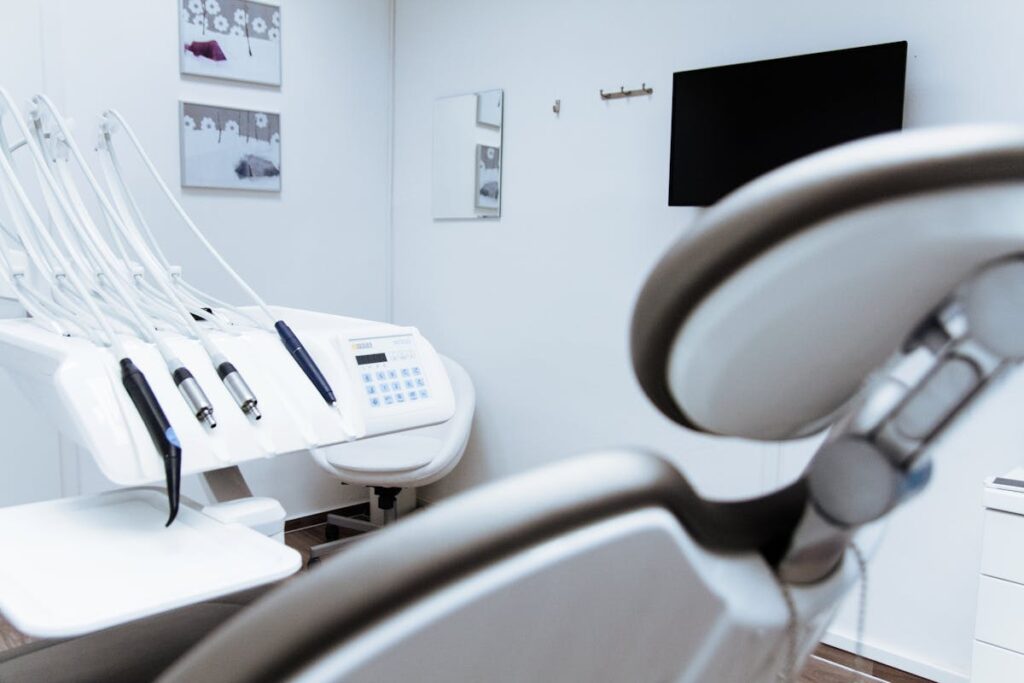
Getting ready for professional teeth whitening is all about planning and understanding the process. First, learn what the procedure involves and have clear expectations for the results.
A dental check-up is crucial to check your enamel health and decide the best treatment for you. Talk to your dentist about any sensitivity concerns to avoid discomfort.
Maintaining good oral hygiene and staying away from foods that stain your teeth will help ensure the whitening works well. Each of these steps is important for getting the bright smile you want.
Understand the Teeth Whitening Process
How can you get ready for professional teeth whitening? Start with a dental check-up. A dentist will look at your enamel to make sure it’s strong enough for whitening. Healthy enamel is key for effective and safe treatment. The dentist will also decide how long the treatment should last, based on your specific needs and how white you want your teeth to be. This includes checking for different types of stains and creating a timeline. You might need to change your diet to avoid foods and drinks that stain teeth. Good oral hygiene is also important to get the best results. By following these steps, you’ll be well-prepared for teeth whitening, and you can look forward to a brighter smile.
Set Realistic Expectations for Results
Teeth whitening can make your smile brighter, but results may vary. Not all teeth will change color evenly due to differences in enamel and existing stains. Also, dental work like crowns or veneers won’t lighten, which might impact the final look.
For best results, talk to a dental professional about what to expect. Whitening can boost your smile, but understanding its limits helps set realistic expectations. Remember, each person’s teeth are unique, so outcomes can differ. Consulting with your dentist ensures you get the best advice tailored to your needs.
Understand Whitening Limitations
Teeth whitening won’t always give you the ultra-white smile seen on TV. It’s important to know what whitening can and can’t do. Here’s what you need to know:
- Existing Stains: Stains from certain medications or fluorosis might not improve with whitening.
- Natural Color: Your teeth’s natural color sets a limit to how white they can get.
- Dental Work: Crowns, veneers, or fillings won’t whiten alongside your natural teeth.
- Aftercare: You’ll need to care for your teeth post-whitening to keep results and manage any sensitivity.
Knowing these points helps set realistic expectations for your whitening journey.
Anticipate Color Variations
Teeth Whitening: Expect Natural Variations
Teeth whitening can brighten your smile, but it’s important to know that a perfectly uniform white is unlikely. Teeth naturally have different shades due to genetics, age, and lifestyle. Whitening treatments boost overall brightness but may not change each tooth’s color evenly.
Some teeth, especially those with fillings or restorations, might not whiten like natural enamel. Stains from medication or injury can also be stubborn. Understanding these variations helps set realistic expectations, leading to a more satisfying whitening experience and less disappointment.
Schedule a Dental Check-Up
Schedule a Dental Check-Up Before Whitening
Before you whiten your teeth, it’s important to schedule a dental check-up. This helps find any dental issues that might affect how well the whitening works. During this visit, your dentist will check your oral health and discuss the best whitening options for you. By having this pre-whitening consultation, you ensure a safe and effective treatment, addressing any concerns beforehand.
Identify Potential Dental Issues
Before whitening your teeth, a dental check-up is essential. This visit helps spot potential dental problems that could affect how well the whitening works. Here’s what to look for:
- Cavities: Cavities can cause pain if exposed to whitening products. Fixing them first is important.
- Gum Health: If your gums are inflamed or you have gum disease, treating these issues can prevent irritation during whitening.
- Existing Restorations: Fillings, crowns, or veneers won’t whiten like natural teeth, so you’ll need a plan for these.
- Tooth Sensitivity: Knowing if your teeth are sensitive allows the dentist to adjust the treatment to avoid discomfort.
This exam ensures a safe and effective teeth whitening experience.
Discuss Whitening Options
After a dental check-up, you can explore teeth whitening options. Over-the-counter products like strips, gels, and toothpaste can help with mild stains. However, they might not be suitable for everyone, especially if you have sensitive teeth or tough stains. In such cases, professional whitening is a better choice. Dentists offer in-office treatments for quick results or custom trays for at-home use. These methods are more effective and tailored to your needs. Your dentist can help you decide the best option based on your specific situation.
Discuss Sensitivity Concerns With Your Dentist
When you’re thinking about professional teeth whitening, it’s crucial to talk to your dentist about sensitivity. This ensures you’re prepared and can avoid any unnecessary discomfort.
- Talk About Sensitivity: Ask your dentist if teeth whitening might cause sensitivity and how to manage it if it does.
- Review Your Dental History: Share your dental history. Some conditions can make sensitivity worse, and your dentist can help you avoid issues.
- Choose the Right Whitening Method: Different whitening methods affect sensitivity in various ways. Your dentist can help you pick the best option for you.
- Plan Aftercare: Discuss a care plan with your dentist to keep discomfort at bay and maintain your new smile.
Avoid Staining Foods and Drinks
Keep Your Smile Bright by Watching What You Eat
Your diet can help maintain the results of teeth whitening. Foods and drinks with high pigment levels can stain your teeth. To keep that bright smile, limit coffee intake because it has tannins that discolor teeth. Red wine is another drink to watch out for due to its deep color and acidity. Other staining culprits include dark berries, tomato sauces, and colored sodas. Opt for lighter options and rinse your mouth with water after eating or drinking these items. By making smart dietary choices, you can enjoy a brighter smile for longer. Regularly checking your diet can help keep your teeth looking their best.
Prepare Your Teeth With a Good Oral Hygiene Routine
To keep your teeth white and healthy, a good oral hygiene routine is key. Here’s how you can maintain those bright results:
- Brush Twice a Day: Use a soft toothbrush to protect your enamel while keeping your teeth clean.
- Floss Regularly: Flossing removes plaque and food bits that your toothbrush might miss, preventing stains and decay.
- Use Mouthwash: Rinse with an antiseptic mouthwash to kill bacteria and keep your breath fresh, which also supports healthy gums.
- Visit Your Dentist: Regular dental check-ups are essential for clean teeth and spotting any problems early.
Consider Using Desensitizing Toothpaste
Use Desensitizing Toothpaste for Sensitive Teeth
If you’ve had your teeth professionally whitened, you might notice increased sensitivity. Using desensitizing toothpaste can help reduce this discomfort. These toothpastes work by blocking the pathways to nerve endings in your teeth, helping to ease sensitivity. They also protect your gums from irritation. Look for active ingredients like potassium nitrate or stannous fluoride, which calm nerve responses. For best results, start using the toothpaste a few weeks before your whitening treatment. Consistent use strengthens enamel, making it more resistant to sensitivity. This preparation ensures a comfortable experience post-whitening.
Plan Your Appointment Timing Wisely
When to Schedule a Teeth Whitening Appointment
Choose a Flexible Day: Pick a day when you have few plans. This helps if you need to change your appointment.
Allow Enough Time: Whitening takes 60 to 90 minutes. Plan for travel too, so you’re not in a hurry.
Avoid Big Events Right After: Your teeth might be sensitive or change color at first. Don’t plan the appointment right before an important event.
Consider Your Schedule: Look at your work and personal plans. Weekends or after-work hours might be best for flexibility.
Arrange for Aftercare and Maintenance
After your teeth whitening appointment, focus on aftercare and maintenance to keep your smile bright. Schedule follow-up visits with your dentist to check on your whitening progress. These visits help ensure the treatment is working well and catch any problems early.
Keep your teeth white by brushing and flossing regularly. Avoid foods and drinks that stain, like coffee, tea, and red wine. Using whitening toothpaste and mouthwash can help maintain your results. Regular check-ins and good oral habits will keep your teeth looking great for a long time.
Frequently Asked Questions
How Long Does the Whitening Effect Typically Last?
The whitening effect after a professional treatment usually lasts between six months and three years. To keep your teeth white longer, schedule regular dental check-ups and avoid foods and drinks that stain, like coffee and red wine. Consider using touch-up treatments to maintain your bright smile.
Regular dental visits, avoiding staining foods, and using touch-up treatments help prolong the whitening effect. Keep in mind that lifestyle choices, like smoking, can also affect how long your teeth stay white. By taking these steps, you can enjoy a brighter smile for a longer time.
Can I Whiten Crowns or Veneers?
Can You Whiten Crowns or Veneers?
No, crowns and veneers can’t be whitened with regular teeth whitening methods. Attempting to whiten them can harm your other teeth. To find the best solution, talk to a dentist. They can help you explore safe and effective options for improving your smile.
Are There Age Restrictions for Teeth Whitening?
Is Teeth Whitening for Everyone?
Generally, teeth whitening is recommended for those 16 years and older. This age guideline means it’s important to check with a dentist to ensure it’s safe and suitable for you. Requirements can differ, so professional advice is key to getting personalized recommendations.
Why Age Matters in Teeth Whitening
Age plays a role because younger teeth might still be developing, which could result in sensitivity or other issues. Consulting a dentist helps avoid these problems and ensures effective whitening.
Consult a Dental Professional
Before starting any teeth whitening treatment, talk to a dentist. They can guide you based on your specific dental health, making sure the process is both safe and effective.
What Should I Do if I Experience Discomfort Post-Treatment?
If you feel discomfort after treatment, try using desensitizing toothpaste and a soft-bristled toothbrush. These can help with increased sensitivity. For irritation, over-the-counter pain relief may be helpful. If discomfort continues, contact your dentist for advice.
Is Professional Whitening Safe for Pregnant Women?
Is Professional Teeth Whitening Safe During Pregnancy?
The safety of professional teeth whitening during pregnancy is uncertain. If you’re pregnant and considering teeth whitening, it’s crucial to talk to your dentist first. Discuss any safety precautions and potential risks involved. This helps ensure your health and your baby’s development are prioritized before you decide to go ahead with the treatment. Always consult with a healthcare professional to make informed decisions.