
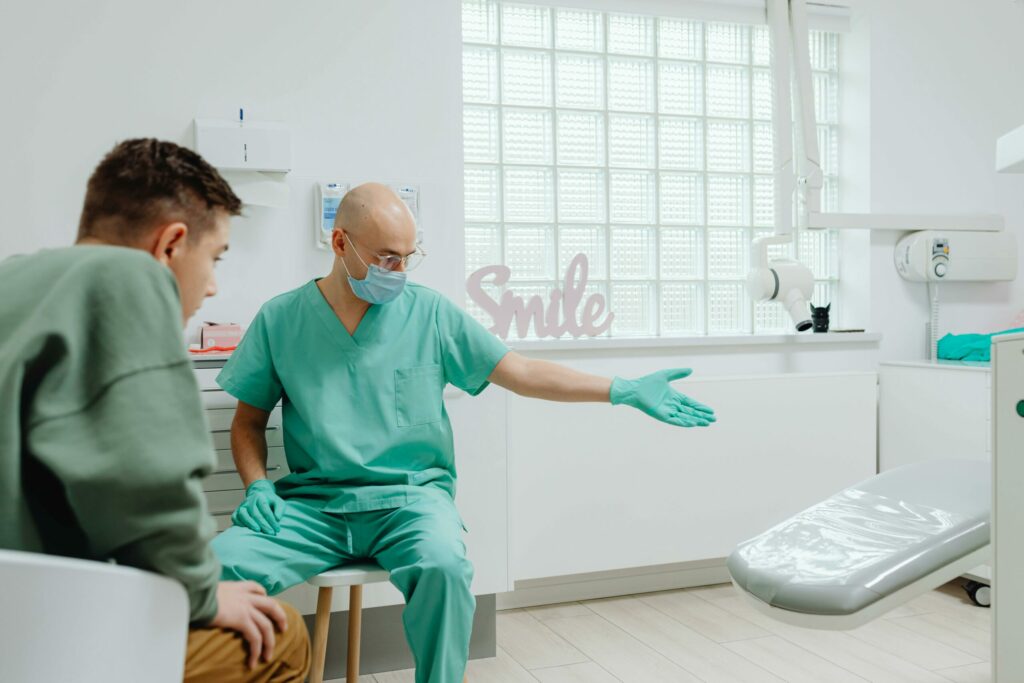
According to the American Dental Association’s 2024 patient survey data, roughly 36% of adults experience moderate to severe dental anxiety, with 12% avoiding necessary care entirely due to fear. This isn’t just a matter of personal comfort — as dental practices adapt to serve an increasingly anxiety-aware patient population and insurance companies place greater emphasis on preventive care compliance, the gap between those who can manage their dental fears and those who cannot has real consequences for long-term oral health outcomes.
The challenge extends beyond individual discomfort. Dental anxiety creates a cascade effect: delayed appointments lead to more complex problems, which require more intensive treatments, which reinforce the original fear. Meanwhile, advances in anxiety management techniques — from evidence-based psychological interventions to environmental modifications — offer more sophisticated approaches than the traditional “just relax” advice.
For the millions of people who feel their stomach drop when scheduling a cleaning or lie awake the night before a procedure, understanding how anxiety develops and which interventions actually work can transform dental care from an ordeal into manageable healthcare. The strategies that follow aren’t about eliminating fear entirely — they’re about building practical tools that work before you even sit in the chair.
How Relaxation Techniques Ease Anxiety Before Dental Visits
The hours leading up to a dental appointment often generate more stress than the procedure itself. Your mind has time to amplify concerns, replay past experiences, and imagine worst-case scenarios. This anticipatory anxiety frequently peaks in the 24 hours before treatment, making pre-appointment relaxation strategies particularly valuable.
Progressive muscle relaxation offers one of the most effective immediate interventions. Starting with your toes and working upward, deliberately tense each muscle group for five seconds, then release completely. Pay special attention to jaw muscles, which often carry dental-related tension. This technique works because it creates a physical contrast — you can’t simultaneously experience muscle relaxation and anxiety’s typical physical symptoms.
Controlled breathing exercises target the physiological component of anxiety directly. The 4-7-8 technique proves especially useful: inhale through your nose for four counts, hold for seven, then exhale through your mouth for eight counts. Repeat this cycle three to four times. The extended exhale activates your parasympathetic nervous system, essentially telling your body to shift out of fight-or-flight mode.
Visualization and guided imagery work by giving your anxious mind alternative content to process. Rather than imagining dental procedures, spend ten minutes visualizing yourself in a completely different, peaceful environment — perhaps walking on a beach or sitting in a favorite room. Some patients find success visualizing the appointment going smoothly, seeing themselves feeling calm and confident throughout the visit.
Music and audio distraction can bridge the gap between home and the dental office. Creating a specific playlist for dental appointments gives your brain familiar, comforting stimuli to focus on. Many practices now accommodate patients who want to listen to their own music during treatment, making this technique particularly practical.
The key insight many patients miss: these techniques require practice when you’re not anxious to be effective when you are. A breathing exercise attempted for the first time in the dental parking lot won’t provide the same benefit as one you’ve practiced regularly at home. Consider working with professionals who understand dental anxiety, like those at Evergreen Grace Dental, who can help coordinate relaxation strategies with your specific treatment needs.
What Causes Dental Anxiety and How It Develops Psychologically
Dental anxiety rarely appears without reason — it typically develops through specific psychological pathways that, once understood, become much easier to address. The most common trigger involves past negative experiences, but these don’t always unfold as you might expect. Sometimes a single traumatic appointment creates lasting fear, but more often, anxiety builds gradually through smaller uncomfortable experiences that accumulate over time.
Loss of control represents another fundamental trigger. Dental treatment requires you to lie back, open your mouth, and allow someone else to work in an incredibly vulnerable space while you cannot speak or easily signal discomfort. This powerlessness can activate deep-seated fears that extend far beyond dentistry itself. Many anxious patients report feeling “trapped” during treatment, even when they intellectually understand they can stop the procedure at any time.
Sensory overwhelm plays a significant role that dental practices are only beginning to fully appreciate. The sounds of dental equipment, the taste of materials, bright lights, and various smells can trigger anxiety responses before any actual discomfort occurs. For some patients, these sensory elements become so strongly associated with fear that hearing a dental drill in a movie can provoke physical anxiety symptoms.
The distinction between fear, anxiety, and phobia matters for treatment approaches. Dental fear typically focuses on specific aspects — perhaps injections or a particular sound. Dental anxiety involves broader apprehension about the entire experience, often including anticipatory worry days or weeks beforehand. Dental phobia represents an intense, irrational fear that significantly impairs daily functioning and often leads to complete avoidance of care.
Learned helplessness can develop when patients feel they have no effective way to communicate discomfort or control their experience during treatment. This psychological state often persists beyond the dental office, affecting how people approach other medical care. Understanding this mechanism helps explain why some patients benefit tremendously from simple signal systems or regular check-ins during procedures.
Secondary anxiety — fear of the fear itself — often develops in people who have experienced panic attacks during dental treatment. They become anxious about becoming anxious, creating a self-reinforcing cycle that can be more challenging to address than the original dental fear.
Which Evidence-Based Therapies Help Reduce Dental Phobia
How Cognitive-Behavioral Therapy Calms Dental Fear
Cognitive-Behavioral Therapy (CBT) addresses dental anxiety by targeting the thought patterns that transform routine procedures into perceived threats. Research published in the Journal of Dental Research shows CBT reduces dental anxiety scores by an average of 40-60% across multiple studies, making it one of the most validated non-pharmacological interventions available.
The cognitive component focuses on identifying and challenging catastrophic thinking patterns. Many dental anxiety patients engage in “mental rehearsal” of everything that could go wrong, often imagining pain levels or complications far beyond realistic possibilities. CBT teaches patients to recognize these thought distortions and replace them with more accurate, balanced assessments of likely outcomes.
Behavioral experiments form the therapy’s practical foundation. Rather than discussing fears abstractly, patients gradually expose themselves to dental-related situations in a controlled, systematic way. This might begin with looking at photos of dental equipment, progress to visiting a dental office without treatment, and eventually build to brief, non-invasive procedures.
The skills-based approach provides patients with concrete tools they can use independently. These include thought-stopping techniques for intrusive worries, relaxation cues that work in medical settings, and communication strategies for expressing concerns to dental providers. Unlike medication, these skills transfer across different dental situations and improve with practice.
Using Hypnotherapy and Gradual Exposure to Build Confidence
Clinical hypnotherapy for dental anxiety works by accessing relaxed mental states where new associations can form around dental experiences. Studies from the International Journal of Clinical and Experimental Hypnosis indicate that patients receiving hypnotherapy before dental treatment report 50-70% lower anxiety levels compared to control groups.
The process typically involves teaching patients self-hypnosis techniques they can use before and during appointments. Unlike popular misconceptions, clinical hypnosis doesn’t involve loss of control — instead, it enhances the patient’s ability to direct their attention and manage their physiological responses to stressful stimuli.
Gradual exposure therapy (systematic desensitization) operates on the principle that anxiety decreases through repeated, controlled contact with feared situations. Treatment begins with the least anxiety-provoking dental-related scenario the patient can imagine, often something as simple as thinking about calling to schedule an appointment.
Each exposure level is practiced until anxiety decreases significantly before moving to the next step. A typical progression might include: scheduling an appointment, driving to the office, sitting in the waiting room, meeting the dentist, sitting in the dental chair, and finally undergoing actual treatment. This methodical approach prevents the overwhelming experiences that often reinforce dental fears.
Mindfulness-based interventions complement both approaches by teaching patients to observe their anxiety symptoms without immediately reacting to them. This creates psychological space between the fear response and the behavioral reaction, often allowing patients to proceed with necessary care even when some anxiety remains present.

How Dental Anxiety Differs Between Children and Adults
Children and adults experience dental anxiety through fundamentally different psychological mechanisms, requiring distinct management approaches that many practices don’t adequately differentiate. Developmental factors play a crucial role — children under eight often lack the cognitive ability to distinguish between anticipated pain and actual discomfort, making their fears simultaneously more intense and more responsive to immediate environmental changes.
Adult dental anxiety typically involves complex cognitive processes including anticipatory worry, catastrophic thinking, and learned associations from past experiences. Adults can ruminate about upcoming appointments for weeks, creating elaborate mental scenarios about potential complications. However, they also respond well to detailed explanations, logical reassurance, and cognitive coping strategies.
Pediatric dental anxiety manifests more immediately and physically. Children might not understand why they’re anxious but will exhibit clear behavioral signs — crying, hiding, or becoming aggressive when dental topics arise. Their fears often center on separation from parents, unfamiliar environments, or specific sensory experiences rather than abstract concerns about pain or procedures.
Communication strategies must adapt accordingly. Adults benefit from understanding what’s happening and why, often finding that detailed procedural explanations reduce anxiety. Children typically need simpler, age-appropriate language focused on immediate experiences rather than future outcomes. Telling a six-year-old that “this will help prevent cavities later” is less effective than saying “we’re going to count your teeth and make them sparkle.”
Parental influence significantly affects pediatric dental anxiety, sometimes in counterintuitive ways. Well-meaning parents who express their own dental concerns or repeatedly reassure children that procedures “won’t hurt” can inadvertently heighten anxiety by introducing the concept of pain when the child hadn’t previously considered it.
Treatment timing differs substantially between age groups. Adults can often power through anxiety using coping skills during longer procedures, while children’s tolerance peaks much earlier, making shorter, more frequent appointments preferable. Children also respond better to immediate positive reinforcement rather than long-term health education.
The recovery patterns from negative dental experiences vary significantly. Children often bounce back quickly from uncomfortable procedures if the overall experience includes positive elements, while adults may carry specific negative associations for years. This suggests that prevention of initial negative experiences matters more for adult patients, while recovery interventions work better for children.
Why a Calming Dental Environment Supports Patient Relaxation
The physical and interpersonal environment of a dental practice profoundly influences patient anxiety levels, often determining whether coping strategies succeed or fail. Environmental design elements work subconsciously — patients may not consciously notice calming features, but their nervous systems respond to visual, auditory, and even olfactory cues that signal safety versus threat.
Staff communication approaches prove equally critical. Research from the Academy of General Dentistry shows that practices where staff consistently use anxiety-reducing communication techniques see 30% fewer appointment cancellations and significantly higher treatment completion rates. This involves more than friendly demeanor — it requires specific training in recognizing anxiety symptoms and responding appropriately.
Predictability and transparency help anxious patients maintain emotional control during treatment. Simple practices like explaining each step before it happens, announcing when injections are coming, or describing sounds before equipment starts can prevent the startle responses that escalate anxiety. Some patients find that knowing the treatment timeline (“we’ll work for about twenty minutes, then take a break”) helps them pace their coping efforts.
Sensory management addresses often-overlooked triggers that can derail even well-prepared patients. This includes controlling ambient noise levels, offering alternatives to bright overhead lighting, providing comfortable temperature control, and managing the clinical odors that many patients associate with medical anxiety.
Patient agency — the ability to influence their experience during treatment — significantly impacts anxiety levels. Options like hand signals to pause treatment, choices about music or room lighting, or simply the knowledge that they can stop procedures if needed helps patients feel less trapped and more collaborative in their care.
The most effective anxiety-reducing environments recognize that dental fear often reflects deeper concerns about vulnerability, control, and past medical trauma. When dental staff understand these underlying dynamics and create systematic approaches to address them, patients develop confidence not just for current treatment, but for maintaining ongoing oral health care throughout their lives.