
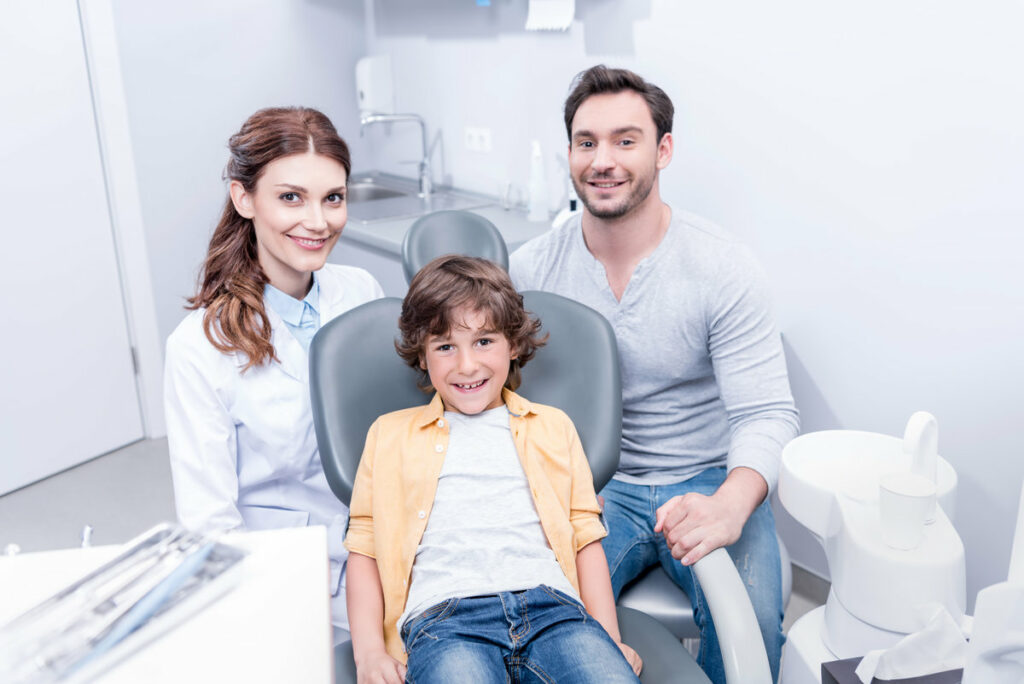
Creating a family dental routine leads to many benefits beyond just healthy teeth. It means starting good habits early, which helps families avoid expensive dental problems later.
This shared focus on dental care brings families closer and teaches kids responsibility and discipline. Plus, sticking to a routine boosts overall well-being, providing a base for lifelong oral health and personal development.
Unexpected perks may include better sleep and improved confidence due to a healthy smile.
Promoting Healthy Habits Early On
Building Healthy Dental Habits in Kids
Start early with dental care to keep your child’s teeth healthy. Kids learn by watching, so it’s important for parents to show good dental habits. Regular brushing and flossing help prevent problems. Stick to a routine to make oral hygiene a normal part of the day. Teach your child the right way to brush and floss. This not only keeps their teeth clean now but also helps them care for their teeth as they grow. By starting early, you help them develop a lifelong commitment to dental health.
Reducing the Risk of Dental Problems
Minimizing dental problems is all about combining good habits and regular care. Brushing and flossing every day help remove plaque, which means fewer cavities and healthier gums. Regular visits to the dentist catch issues like tooth decay early, making them easier to fix. Plus, professional cleanings keep your teeth in top shape. Eating a balanced diet, especially one low in sugar and high in calcium, strengthens your teeth and supports oral health. By following these simple steps, you can effectively reduce the risk of dental problems for you and your family.
Saving Money on Dental Treatments
Save money on dental care by focusing on prevention. Regular brushing, flossing, and dental check-ups reduce the need for costly emergency treatments. Know your insurance details to fully use your benefits. Scheduling regular visits can make sure you’re using your coverage wisely and keeping expenses down.
Preventative Care: Focus on good habits like brushing twice a day and flossing daily. This means fewer cavities and less need for expensive treatments.
Insurance Optimization: Understand what your dental insurance covers. This results in smarter scheduling of check-ups and cleanings, ensuring you get the most from your plan.
Reduce Emergency Visits
How can families cut down on emergency dental visits and save on costly treatments? It means having a solid family dental routine with regular checkups and proactive care. Seeing the dentist regularly helps catch problems early, preventing them from turning into bigger, more expensive issues. Dentists can keep an eye on oral health and offer tips on keeping teeth in great shape. Daily habits like brushing and flossing are key to avoiding unexpected dental troubles. By following these steps, families can reduce emergency visits and save money, ensuring better oral health and financial peace of mind.
Prevent Costly Procedures
To prevent costly dental procedures, focus on consistent oral care. Regular dental checkups help catch issues early, reducing the need for complex treatments. Professional cleanings remove plaque and tartar, preventing cavities and gum disease. By addressing these problems early, you can avoid expensive root canals or surgeries. Daily brushing and flossing support these efforts and keep your teeth healthy. Following these routines minimizes the risk of serious dental issues and saves money in the long run. This proactive approach not only keeps your smile healthy but also saves money.
Maximize Insurance Benefits
Maximizing your dental insurance benefits can save you money. First, review your insurance policy to understand what it covers and any limits. Schedule regular dental check-ups within the plan year to make the most of preventive services. Choosing in-network providers often means reduced fees, helping you save. Plan your treatments around annual maximums to avoid exceeding limits. Consider using flexible spending accounts (FSAs) or health savings accounts (HSAs) for costs not covered by insurance. By managing your dental plan wisely, you can reduce expenses and maintain good oral health for your family.
Strengthening Family Bonds
Implementing shared dental routines strengthens family bonds. When families brush and floss together, it means they are creating healthy habits and making time for each other. This daily practice results in better oral health and closer relationships. By doing this together, families can support each other’s dental care while also enhancing their emotional connections.
Engaging in shared dental care is a simple way to promote unity. When everyone participates, it causes a sense of teamwork and cooperation. By turning these routines into a regular part of life, families can improve both their smiles and their relationships.
Shared Dental Rituals
Engaging in shared dental rituals strengthens family bonds and promotes oral health. When families brush their teeth together or schedule regular dental check-ups, they create valuable opportunities for communication and support. These routines mean everyone learns good dental habits while enjoying family time. Parents can show kids how to care for their teeth, making dental care a shared responsibility. By aligning daily schedules around these rituals, families build unity and coherence. Shared dental activities have a positive impact on both individual well-being and family connections.
Building Healthy Habits
Building healthy habits as a family is key to maintaining good oral hygiene and strengthening family bonds. A regular schedule, with set times for daily brushing and flossing, ensures everyone sticks to an effective oral care routine. This approach leads to better dental health and creates a supportive atmosphere where family members motivate each other.
A family dental routine also offers a chance for shared learning. Parents can show the correct brushing techniques, which kids can copy, making good habits stick. Committing together to oral hygiene helps build strong connections and encourages a health-focused family lifestyle.
Encouraging Responsibility and Discipline
Creating a regular family dental routine helps build responsibility and discipline. This routine means everyone in the family follows a consistent schedule for brushing and flossing. It teaches time management because specific times are set for dental care. As family members take charge of their dental hygiene, they gain independence. Children especially learn to be accountable for their dental health, which helps them develop life skills. By setting clear guidelines for dental care at home, you reinforce responsibility and discipline, laying the groundwork for personal growth.
Improving Overall Health and Well-being
Having a family dental routine boosts health and well-being. Good oral care means keeping teeth and gums healthy, which lowers the risk of problems like cavities and gum disease. These issues can lead to more serious health conditions, such as heart disease and diabetes. Also, having a regular dental routine can make everyone feel more at ease and less anxious about dentist visits. Taking care of your teeth every day builds confidence in managing your health. So, maintaining a family dental routine is essential for both physical and mental health benefits.
Creating a Routine That Works for Everyone
Creating a Routine for Everyone
Balancing a family dental routine means considering everyone’s unique needs and schedules. Start by creating a consistent family schedule that fits each person’s daily activities. Tailor the routine to accommodate age-specific needs. For instance, younger kids might need help brushing, while teens could use reminders to floss. Set specific times for dental care, like after meals or before bed, so everyone can join in without a hassle. Stay flexible to adapt to unexpected changes like travel or illness. This way, families can keep their teeth healthy without disrupting their daily lives.
Educating About Oral Hygiene at Home
To teach your family about oral hygiene, start by showing them how to brush and floss correctly. Brushing your teeth twice a day with fluoride toothpaste is important. Make sure to cover all surfaces and brush for at least two minutes. Hold the toothbrush at the right angle to clean off plaque effectively.
Flossing is crucial too. It helps clean between teeth where brushes can’t reach. Gently slide the floss between each tooth and curve it into a C-shape for thorough cleaning. These habits lead to better dental health and a lifelong smile.
Building Confidence With a Bright Smile
A bright smile can boost your confidence and improve your social and work life. Here’s how good oral hygiene helps:
- Prevents Oral Diseases: Brushing and flossing regularly keep your teeth and gums healthy, reducing cavities and gum problems.
- Whiter Teeth: Using whitening toothpaste or treatments can make your teeth look better and your smile brighter.
- Better Communication: When you’re confident in your smile, you speak more openly and effectively.
- Great First Impressions: A nice smile helps you make a positive impact when meeting new people, whether in personal or professional settings.
Frequently Asked Questions
How Often Should a Family Dental Routine Be Updated or Revised?
Family dental routines should be updated every year. This ensures everyone’s teeth stay healthy. If your family’s schedule changes or someone has new dental needs, revise the routine sooner. Regular check-ins help keep oral care effective for all family members.
It’s simple to adjust your dental routine. For example, as kids grow, they might need to brush more often or start using floss. Being flexible with changes means better oral health for everyone. Remember, a good dental routine leads to bright smiles and fewer trips to the dentist.
What Are Some Fun Ways to Engage Kids in Dental Care?
Make dental care fun for kids with rewards and family activities. Turn brushing into a game by using colorful timers and incentives. This approach motivates children and helps build lifelong oral hygiene habits, while also strengthening family bonds.
Are There Specific Dental Products Recommended for Families?
Families looking for dental products should consider electric toothbrushes designed for different age groups. These toothbrushes make cleaning teeth more effective for everyone.
Natural toothpaste is another great option. It doesn’t contain artificial additives, which is good for oral health and sensitive mouths. These toothpastes ensure that every family member can use them comfortably.
How Can a Busy Family Maintain a Consistent Dental Routine?
A busy family can keep up with dental hygiene by setting a consistent schedule for brushing and flossing. Use reminders and make dental care a part of everyday routines to ensure everyone follows these important practices.
Schedule Brushing and Flossing: Plan specific times for brushing teeth, like after breakfast and before bed, to create a habit. Flossing can be added to this routine to make it easier to remember.
Use Reminders: Set alarms or use a family calendar to remind everyone about brushing and flossing times. This keeps dental care top of mind even on the busiest days.
Make Dental Care a Habit: Incorporate dental hygiene into daily activities, like after meals or before bedtime stories. This makes it a natural part of the day rather than an extra task.
What Role Does Diet Play in a Family Dental Routine?
Diet plays a crucial role in family dental routines by affecting both cavity prevention and gum health. Eating nutritious snacks and balanced meals means your family gets essential vitamins and minerals. This results in stronger enamel and lowers the chance of dental problems.
For a healthy mouth, focus on foods rich in calcium and vitamin D, like dairy products and leafy greens, which support strong teeth. Crunchy fruits and vegetables, such as apples and carrots, can help clean teeth naturally and stimulate gums. Avoid sugary snacks and drinks, as they can cause cavities and weaken enamel over time. By choosing the right foods, your family can enjoy better oral health with fewer dental issues.