
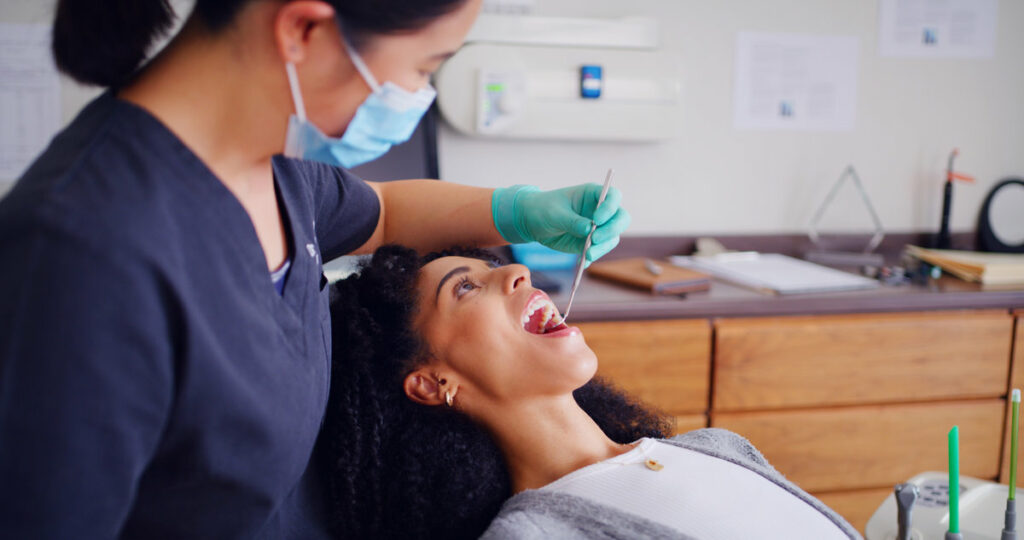
Is Oral Cancer Screening Part of an Emergency Exam?
Generally, oral cancer screening is not a standard part of emergency dental exams. Emergency visits focus on addressing immediate pain or problems rather than detailed screenings.
Routine dental check-ups are where thorough oral cancer screenings typically happen. However, it’s worth considering the potential benefits of including these important screenings in emergency protocols to catch any early signs of oral cancer. This could mean offering valuable early detection even when patients come in for urgent care.
Understanding Emergency Dental Exams
How Do Emergency Dental Exams Work?
Emergency dental exams quickly find and fix sudden dental problems. These exams are essential for identifying the cause of pain or issues. They include checking teeth and gums, taking X-rays, and doing tests to understand what’s wrong. Once the problem is found, immediate treatments like pulling a tooth, temporary fixes, or treating infections are done to stop pain and avoid more issues. Dentists focus on making you comfortable and planning for future care. Quick action is crucial in dental emergencies.
The Importance of Oral Cancer Screening
Why is Oral Cancer Screening Important in Dental Care?
Oral cancer screening is vital for spotting cancer early, which means treatment can start sooner and save lives. Adding these checks into regular dental visits lowers the risk of oral cancer.
Key Reasons to Include Oral Cancer Screening:
- Catch It Early: Finding cancer early makes treatment more effective.
- Prevent Problems: Regular checks can stop cancer from developing by catching early signs.
- Educate Patients: Teaching patients about oral health risks helps them get the care they need.
- Understand Risks: Knowing a patient’s risk factors allows for personalized care plans.
Dentists include screenings in routine exams, leading to better care for patients. This approach combines prevention and education, making it a smart healthcare strategy.
How Oral Cancer Screening Is Conducted
How Oral Cancer Screening is Conducted
Oral cancer screening checks for signs of cancer in the mouth. It starts with a visual check of your lips, gums, tongue, and throat. The dentist uses a gloved hand to feel for any lumps or unusual spots, making sure it’s painless for you. Sometimes, they use special lights or dyes to spot anything unusual. They also check your neck and jaw for swollen lymph nodes. This careful exam looks for early signs of cancer, helping keep your mouth healthy.
Common Signs and Symptoms of Oral Cancer
Spotting oral cancer early can really help with better treatment outcomes, but it often goes unnoticed because the early signs are easy to miss. Look out for ongoing sores, unexpected bleeding, or trouble swallowing. These could be signs of oral cancer, especially if you smoke, drink alcohol, or have a human papillomavirus (HPV) infection. It’s important to recognize these signs quickly and take action, as this can lead to more effective treatment and better results for patients.
Early Detection Importance
Catching oral cancer early is crucial—it can greatly improve a patient’s outlook and chances of survival. Here’s why early detection matters:
- Better Treatment Options: Finding oral cancer early means treatments can be less intense, which is easier on the patient.
- Higher Survival Rates: Diagnosing cancer early usually leads to better survival chances.
- Cost Savings: Treating cancer sooner can save money by avoiding expensive advanced treatments.
- Quality of Life: Early care can help maintain oral functions and looks.
Regular dental check-ups can help catch oral cancer early, ensuring these benefits are possible and keeping patient care top-notch.
High-Risk Factors
Understanding the risk factors for oral cancer is crucial for spotting it early. Some key things to watch for include:
- Family History: If cancer runs in your family, it might mean you’re more likely to get it too. This is because certain genetic traits can make you more vulnerable to oral cancer.
- Lifestyle Choices: Using tobacco or drinking a lot of alcohol significantly increases your risk of developing oral cancer. These habits can lead to harmful changes in the cells of your mouth.
- HPV Infection: The human papillomavirus (HPV) is a major cause of throat cancers.
- Warning Signs: Be alert for ongoing mouth sores, unexplained bleeding, and patches in the mouth that are white (leukoplakia) or red (erythroplakia).
If you notice any of these risk factors or symptoms, it’s important to get checked out by a healthcare professional. Early diagnosis can significantly improve treatment options and outcomes. Prioritize your health by staying informed and taking proactive steps.
When Is Oral Cancer Screening Typically Performed?
Oral cancer screenings usually happen during regular dental checkups. Dentists look for early signs of cancer in your mouth. If you use tobacco or drink a lot of alcohol, you might need more frequent checks because you’re at higher risk. These screenings help catch any problems early, which is important for successful treatment. Regular visits to the dentist mean you’re keeping an eye on your oral health and catching any issues before they become serious.
Routine Dental Checkups
Routine dental checkups are essential for keeping your mouth healthy and catching problems early. During these visits, your dentist can screen for oral cancer, helping to spot any issues before they become serious.
Here’s what happens during a routine dental checkup:
- Examination: The dentist looks inside your mouth for anything unusual. This helps catch signs of cancer or other issues early.
- Patient Education: You’ll get tips on taking care of your teeth and what signs of oral cancer to watch for.
- Dental Hygiene: Regular brushing and flossing are key to preventing dental problems.
- Follow-Up: Based on what they find, your dentist will advise when to come back for your next checkup.
These checkups are crucial for spotting oral health issues early, leading to better outcomes for you.
High-Risk Patient Monitoring
Monitoring high-risk patients is crucial for catching oral cancer early, especially in those who smoke, drink heavily, or have a family history of cancer. These individuals need more frequent checks than the usual dental visits. Regular screenings every six months, using both visual checks and touch, help spot any unusual changes in the mouth quickly. Advanced tools like fluorescence imaging can make these assessments even more accurate. Educating patients is also key—knowing the risks, symptoms, and the importance of regular screenings empowers them to take charge of their health. This proactive approach can lead to early diagnosis and better outcomes.
Differences Between Routine and Emergency Dental Visits
Routine and emergency dental visits serve different purposes in dental care. Here’s a quick breakdown:
- Purpose: Routine visits mean keeping your teeth healthy with regular check-ups and cleanings. Emergency visits happen when there’s pain or a sudden problem that needs fixing right away.
- Scheduling: Routine appointments are planned ahead, like setting a date for a teeth cleaning. Emergencies can’t wait and need you to see a dentist as soon as possible.
- Procedures: During routine visits, dentists check your teeth and clean them. In an emergency, they focus on stopping pain or fixing an urgent issue.
- Urgency: Routine visits aren’t urgent; they’re about preventing problems. Emergency visits need quick action to stop things from getting worse.
Knowing these differences helps you understand what to expect and when to seek each type of care.
The Role of the Dentist in Early Detection
Dentists are crucial in spotting early signs of oral health problems, like oral cancer. They can find these issues during regular check-ups by looking and feeling for anything unusual. Tools like special lights can help them see changes in the mouth that aren’t visible to the naked eye. Dentists also teach patients about risks and encourage regular check-ups, which helps catch problems early. By doing this, they not only treat but also help prevent serious oral health issues. Dentists’ vigilance and preventive care play a big role in improving patient health and outcomes.
Challenges in Incorporating Screenings During Emergencies
Handling oral cancer screenings during emergency dental visits can be tricky.
Patient Focus: People usually come in for urgent pain relief, so they might not be keen on extra screenings.
Time Crunch: Emergencies need quick fixes, leaving little room for thorough checks like cancer screenings.
Limited Resources: Some dental offices may not have enough staff or tools for detailed screenings when dealing with emergencies.
Appointment Issues: Setting up follow-up visits for screenings can be tough if patients already have trouble booking appointments.
To make oral cancer screenings part of emergency care, a smart plan is needed.
The Future of Oral Cancer Screening in Dental Emergencies
Optimizing Oral Cancer Screening in Emergency Dental Care
Integrating oral cancer screening into emergency dental visits leads to early detection. Utilizing advanced tools like fluorescence visualization helps spot mouth irregularities during emergencies. Consistent screening procedures ensure uniformity in care, while strong referral networks support timely treatment.
Effective Communication and Education
Educating patients about oral cancer signs and risks is crucial. Clear communication encourages follow-up care. Using digital platforms makes information easy to access and understand.
Training Dental Professionals
Training for dental professionals in these techniques is essential. It ensures comprehensive emergency dental care that includes preventive measures, improving outcomes for patients at risk of oral cancer.
Frequently Asked Questions
What Is the Cost of Oral Cancer Screening During an Emergency Exam?
Oral cancer screening costs during an emergency exam can vary. Factors like exam room fees and how long the screening takes will impact the total cost. Healthcare providers consider these elements to ensure patients receive immediate and thorough care.
For most patients, understanding the costs can help in planning their visit. When you go for an emergency exam, asking about these expenses upfront means you won’t be caught off guard. The main goal is to provide vital care without unnecessary financial surprises. Always prioritize your health by being informed about potential costs and options.
Are There Any Specific Tools Used Exclusively for Oral Cancer Screening?
Oral cancer screening uses specific tools to check for signs of cancer. The main tools are visual examination and brush biopsy.
Visual examination means a dentist or doctor looks at your mouth to spot any unusual areas or lesions. If they find something suspicious, they may use a brush biopsy. This involves gently collecting cells from the area to check for cancer or pre-cancer changes under a microscope.
These tools help detect oral cancer early, making treatment more effective. Regular screenings are important, especially if you smoke, drink alcohol, or have a history of oral cancer.
Can Oral Cancer Screenings Detect Other Oral Health Issues?
Yes, oral cancer screenings can spot other oral health concerns. During these checks, dentists often find issues like lesions or gum disease. This means they don’t just look for cancer; they also catch signs of other dental problems. By identifying these issues early, you can address them before they become serious. Regular dental visits are key to maintaining overall oral health. Remember to schedule your checkups for peace of mind and a healthy smile.
How Long Does an Oral Cancer Screening Typically Take?
An oral cancer screening usually takes about 5 to 10 minutes. During this quick check-up, your dentist or doctor will look inside your mouth for any unusual spots, patches, or growths that might need further examination. This short screening helps catch any signs of oral cancer early when it’s most treatable. Regular screenings, especially if you use tobacco or have a history of oral issues, are important for maintaining your health. If you notice any changes in your mouth between visits, it’s wise to let your healthcare provider know.
Is Oral Cancer Screening Covered by Dental Insurance During an Emergency Visit?
Is Oral Cancer Screening Covered by Dental Insurance During an Emergency Visit?
Oral cancer screening coverage during an emergency dental visit varies by insurance policy. Generally, dental plans cover routine check-ups and cleanings. However, for emergency procedures, you might need additional verification to confirm if the screening is included. It’s always a good idea to check with your dental insurance provider about what your plan specifically covers. If you’re unsure, contacting your insurer directly can clarify what emergency dental services are included, ensuring you’re prepared for any unexpected dental issues.