
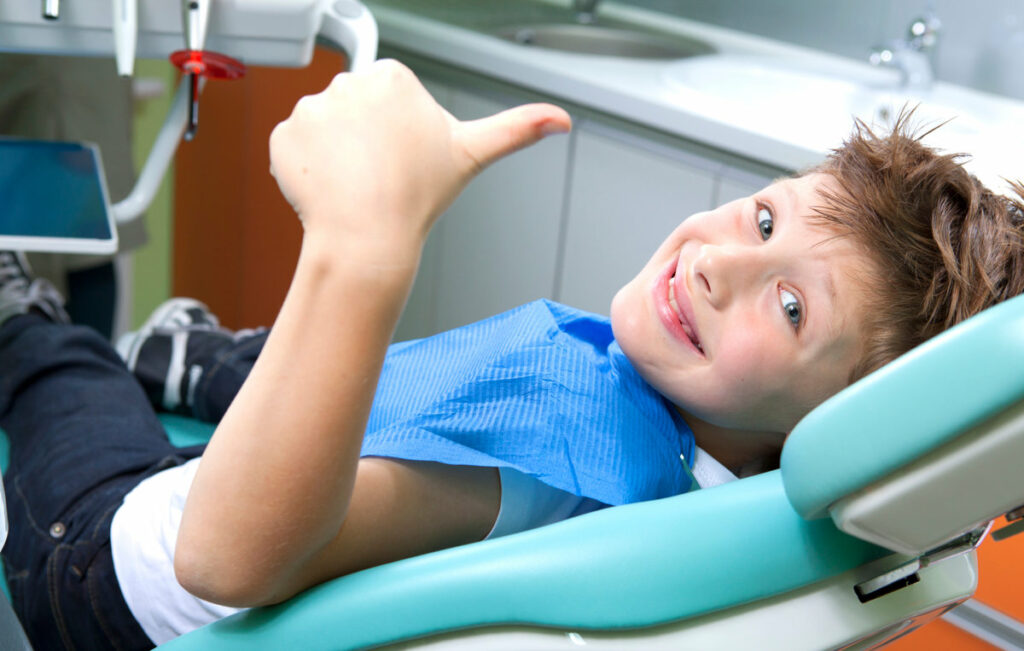
Dental anxiety in children is common but manageable. Understanding its causes and finding a child-friendly dentist are key steps to reducing fear. Familiarize children with the dental environment and use positive reinforcement to ease their worries. With empathy and preparation, dental visits can become pleasant, supporting lifelong oral health.
What else can help? Distraction techniques, like letting kids watch cartoons during check-ups, can divert their attention. Role-playing at home can also prepare them for what to expect. Encourage questions, and keep communication open to demystify the process. These strategies make dental visits less intimidating and more comfortable for children.
Understand the Root Causes of Anxiety
Why do some children feel anxious about going to the dentist? This fear often starts with early experiences that shape how they see dental visits. If a child has had a scary appointment before, it might leave a strong impression. Family attitudes also play a big role—if parents or siblings are nervous about the dentist, kids may feel the same way. Understanding these root causes is key to easing dental anxiety. Recognizing that this fear is common and manageable helps caregivers be empathetic. By acknowledging these factors, parents and dentists can team up to create a supportive environment, leading to positive dental experiences and better oral health.
Choose a Child-Friendly Dentist
Choose a Child-Friendly Dentist
Picking a child-friendly dentist reduces dental anxiety in kids, promoting lifelong good oral health. A dentist who understands children creates a caring environment that calms young patients’ fears. They use fun distractions like colorful murals, toys, or videos to keep kids engaged and stress-free. Friendly communication and simple explanations make dental visits easier for children to understand. A welcoming dental office makes visits enjoyable and helps kids see dental care as a positive experience. This trust-building approach encourages cooperation and healthy dental habits. Choosing the right dentist sets the stage for a positive dental attitude.
Familiarize Your Child With the Dental Office
Familiarizing Your Child with the Dental Office
Introducing your child to the dental office can ease their fears. A preliminary visit lets them explore the environment and meet the friendly staff. Seeing dental tools in a calm setting helps make the dentist’s office feel less intimidating. This visit turns an unfamiliar place into a comfortable one. Understanding the surroundings and procedures ahead of time means less fear and more comfort. These positive experiences mean future dental appointments are more pleasant for children.
Use Positive Reinforcement and Encouragement
Positive reinforcement helps children overcome dental anxiety. Making dental visits enjoyable means turning a stressful experience into a positive one. Celebrate small wins like sitting calmly in the chair or listening to the dentist. Rewards and praise create a supportive atmosphere, boosting courage and cooperation.
Simple incentives, like stickers or a fun activity after the visit, motivate kids to view dental appointments positively. This encouragement builds confidence and reduces anxiety over time. By creating a reassuring environment, children are more likely to develop lifelong dental health responsibility.
Practice Relaxation Techniques at Home
Relaxation techniques at home can help reduce a child’s dental anxiety. Deep breathing exercises are a great way to calm both mind and body. Teach your child to breathe in deeply through the nose, hold it for a moment, and then exhale slowly through the mouth. This breathing method can ease nerves before a dental visit.
Progressive muscle relaxation also works well. Have your child tense each muscle group, starting from the toes and moving up to the head, then release. This helps them recognize and relieve tension. Regular practice of these techniques helps children spot anxiety signs and manage them better.
Role-Play Dental Visits With Your Child
Role-playing dental visits at home can greatly reduce a child’s anxiety. It helps them understand what to expect during actual dental appointments. By setting up a pretend dental office with simple, realistic tools, parents can make the process more familiar and less intimidating for their child. Acting out dentist and patient roles in a comfortable setting not only boosts their confidence but also creates a positive link with future dental visits. This fun and educational activity can make a real difference in how children perceive going to the dentist.
Create a Dental Office
How can parents help ease their child’s dental anxiety before their first appointment? Creating a familiar “dental office” environment at home can make a big difference. Here’s how to do it:
- Office Setup: Arrange a chair and small table to mimic a dentist’s office. Add posters or drawings of teeth and toothbrushes to make it more realistic.
- Child-Friendly Tools: Use items like a toy mirror, toothbrush, or flashlight to resemble dental tools. These simple objects help demystify the dental experience.
- Interactive Play: Let your child play with these items. This hands-on exploration helps them feel more comfortable about visiting the dentist.
This approach builds familiarity and comfort, making the real dental appointment less intimidating for your child.
Practice Dentist and Patient Roles
Help ease a child’s dental anxiety by role-playing as a dentist and patient. This fun activity helps kids get used to the dental environment at home. By pretending to perform dental procedures with everyday items, children learn what happens during a real visit. This gives them a sense of control and understanding, reducing their fear. Parents can explain each step during the role-play, helping build trust and confidence. This approach results in a more relaxed and positive attitude towards future dental appointments.
Use Realistic Dental Tools
Use Realistic Dental Tools
Incorporating realistic dental tools at home helps children become familiar with what they’ll see during a dental visit. This familiarity means less fear and uncertainty. Parents can show these tools and explain their purposes in simple terms. This way, kids learn that these tools are helpful, not scary.
- Plastic dental mirror: Lets kids see their teeth, showing how dentists check them.
- Toy toothbrush: Makes brushing fun while teaching oral hygiene.
- Dental pick: Demonstrates how dentists clean between teeth.
With these tools, kids can practice, making real dental visits less intimidating.
Schedule Appointments at Optimal Times
To make a child’s dental visit smoother and less stressful, schedule their appointment in the morning. Morning time means kids are usually more relaxed and cooperative after a good night’s sleep. Avoid booking during nap times to prevent stress and ensure they’re well-rested. This timing helps your child feel at ease, making the dental visit a positive experience.
Choose Morning Appointments
Morning appointments are often the best choice for children visiting the dentist. Here’s why:
- Higher Energy Levels: In the morning, kids usually have more energy, so they can handle new experiences better.
- Calm Routine: A peaceful start with a quiet breakfast or reading helps keep kids calm before the dentist.
- Shorter Wait Times: Early slots mean less waiting, reducing the chance for anxiety to build.
Scheduling a morning dental visit means fewer distractions and a more focused environment, making the experience less stressful for both kids and parents. This timing can significantly ease a child’s dental anxiety.
Avoid Naptime Conflicts
Schedule Dental Visits Around Naptime
To ensure a smooth dental visit, avoid scheduling appointments during your child’s naptime. Booking a visit when your child is naturally alert and well-rested can make a big difference. Nap schedules are key—plan appointments to not overlap with these quiet times. This approach helps keep your child calm and cooperative, making the visit more pleasant for everyone involved. By respecting your child’s natural routines, you can reduce anxiety and make dental visits a positive experience. This simple step means less stress for both you and your child, and a smoother visit for the dental staff.
Introduce Books and Videos About Dental Visits
Books and videos make dental visits less scary for kids. These resources introduce children to the dentist in a fun way, turning fear into excitement.
- Books: Stories with favorite characters at the dentist help kids understand what happens during a visit.
- Videos: Animated videos show dental check-ups in a fun, simple way.
- Interactive Apps: Games and simulations teach kids about dental care.
These tools give children knowledge and confidence, making dental visits a positive experience.
Encourage Open Communication and Questions
Introduce Resources and Encourage Open Communication
Using books and videos about dental care helps kids feel comfortable, but open communication is key to easing dental anxiety. Encourage children to talk about their thoughts and questions regarding dental visits. This makes them feel heard and understood. By creating a safe space, children can express fears without fear of judgment, which builds trust. Caregivers can share their own positive dental experiences and explain procedures simply. Answering questions honestly reduces myths and uncertainty. Open communication empowers children to face dental visits calmly and confidently, making the experience less daunting for everyone involved.
Frequently Asked Questions
What Can I Do if My Child Refuses to Enter the Dental Office?
If your child refuses to enter the dental office, try gradual exposure. This means introducing them slowly to the dental environment. Reward their bravery with positive reinforcement, like praise or a small treat. This helps build their confidence and reduces anxiety for future visits.
How Can I Make Dental Hygiene Fun at Home?
Make dental hygiene fun at home by using dental-themed games. This interactive approach keeps children engaged and helps develop positive oral care habits. Parents can feel confident knowing their child’s dental health is improving through play.
Are There Any Apps That Help Children Understand Dental Visits?
Yes, there are apps that help children understand dental visits. These apps use educational games and dental storybooks to make the experience less scary. They combine fun with learning to help kids feel more comfortable about dental procedures. By playing these games or reading these stories, children can get familiar with what happens during a dental visit. This can ease their anxiety and help them know what to expect. Such tools are a great way to prepare kids for their dental appointments in a friendly and interactive way.
How Do I Address My Child’s Fear of Dental Tools?
To help your child overcome their fear of dental tools, try gradual exposure and role-playing dental visits at home. This approach means introducing them to the tools slowly and making the experience feel like a game. By doing this, you build familiarity, reduce anxiety, and create a more positive outlook on visiting the dentist.
Start by showing your child simple dental tools like a toothbrush or a small mirror. Let them touch and play with these items to get comfortable. Then, role-play a dental visit by pretending to be the dentist and patient. This can make the idea of going to the dentist feel less scary and more fun.
Keep these interactions short and positive. Remember, the goal is to make your child feel safe and confident about dental visits. With time and patience, their fear can change into curiosity and even excitement about taking care of their teeth.
What Should I Do if My Child Experiences Pain During a Dental Visit?
If your child feels pain during a dental visit, stay calm and offer comforting distractions. Consult a pediatric dentist right away. They can identify the issue, ensure your child feels comfortable, and adjust the treatment to ease any pain. Act quickly to address any discomfort.
Keep your child’s focus away from the pain with toys, stories, or a favorite song. This distraction can help them feel more at ease. Meanwhile, the dentist will work to find the cause of the pain and make necessary adjustments. Your child’s comfort and well-being are the top priorities during any dental appointment.